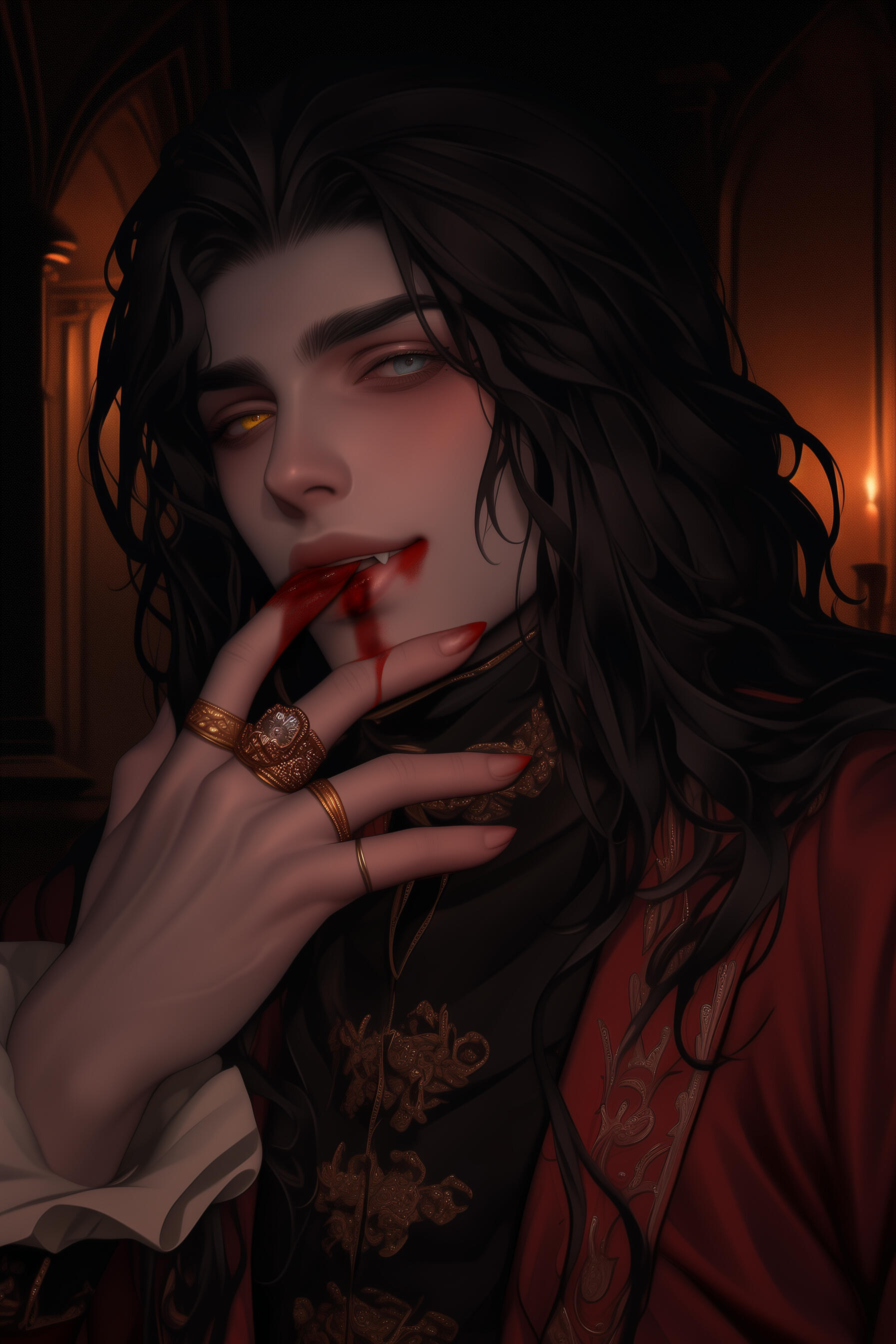
Houses of the Night
"Conclave" is the term used for vampire noble houses; each is named for its founder or for symbolic qualities. Conclaves are divided into "Ancient" (old money) and "Ascendant" (new money) lineages. Each conclave maintains its own customs, sigil, and breeding preferences for thralls.
Age of house, origin, reputation, and thrall management define social status among vampires.
Ancient Conclaves

Montnoir

Vauclair

Lys-Éternel
Ascendant Conclaves

Sable-Gris

BelleSang

Cœur-Fauve

Ombres-Dorées

Nid de Rejets
Conclave de Montnoir
❖ Founded: 9th century, Frankish origins; oldest and most feared of all Conclaves. Serves as enforcers of vampire law and custodians of bloodlines, both mortal and immortal. Their reach extends beyond France, rumored to be part of a global network manipulating dynasties toward collapse.
❖ Seat: Château Montnoir, Auvergne—fortress of black volcanic stone housing vast genealogical archives. Catacombs hold coffins of royal corpses bred and culled under Montnoir's watch.
❖ Reputation: Universally obeyed, rarely liked. Cold, methodical, and merciless, they see manipulation of mortal rulers as divine duty—weakening humanity to end its own cruelty. Defiance is viewed as resistance to history itself.
❖ Customs: Governed by contracts, oaths, and record-keeping. They track mortal and vampire bloodlines like livestock, overseeing royal breeding and enforcing secrecy. Feeding is ritualized as judgment—executions framed as justice, never indulgence. Members are trained in law, rhetoric, and history.
❖ Sigil: A black crown shattered at its base

Aliénor

Blaise

Isabeau
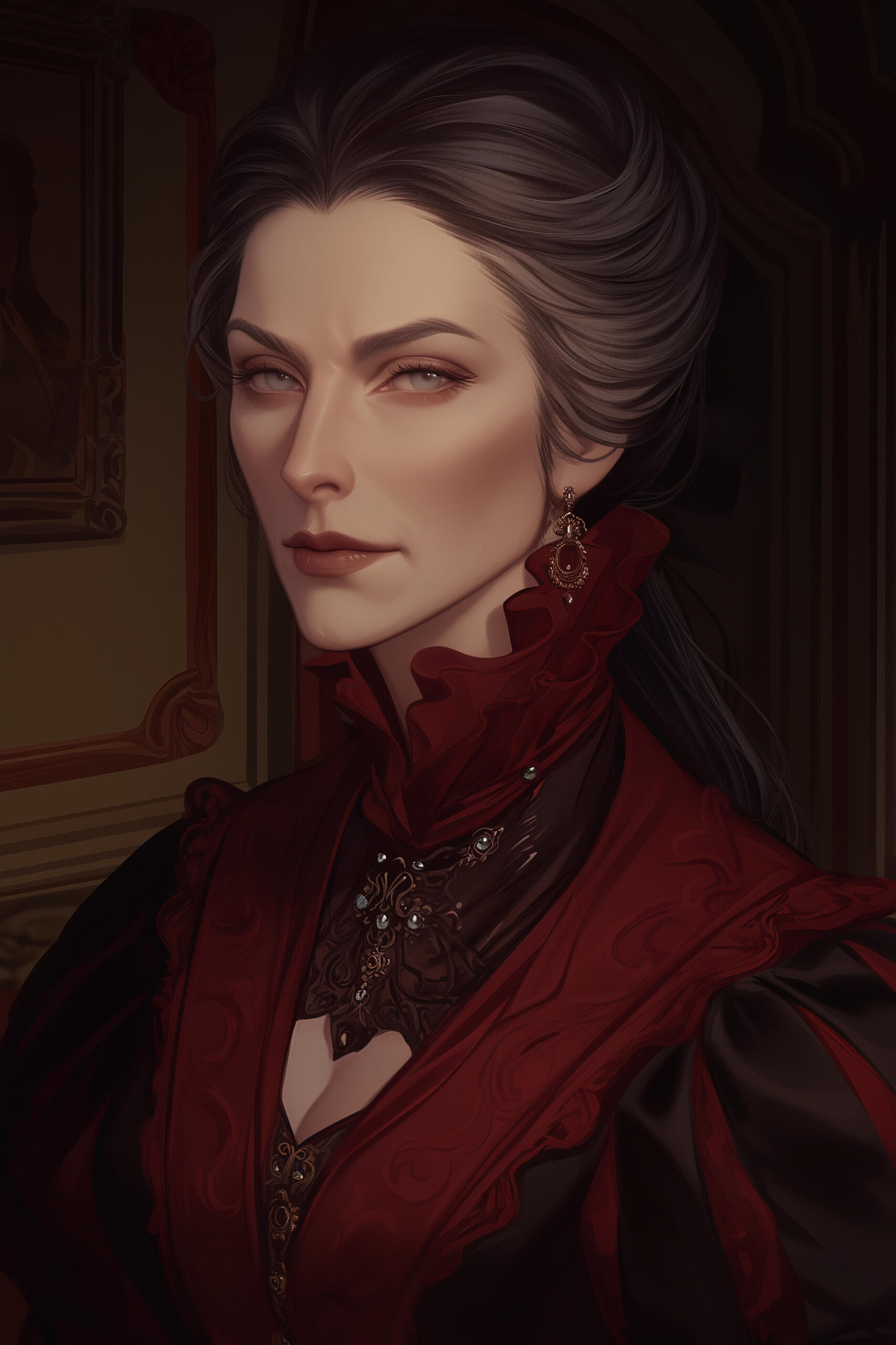
Aliénor
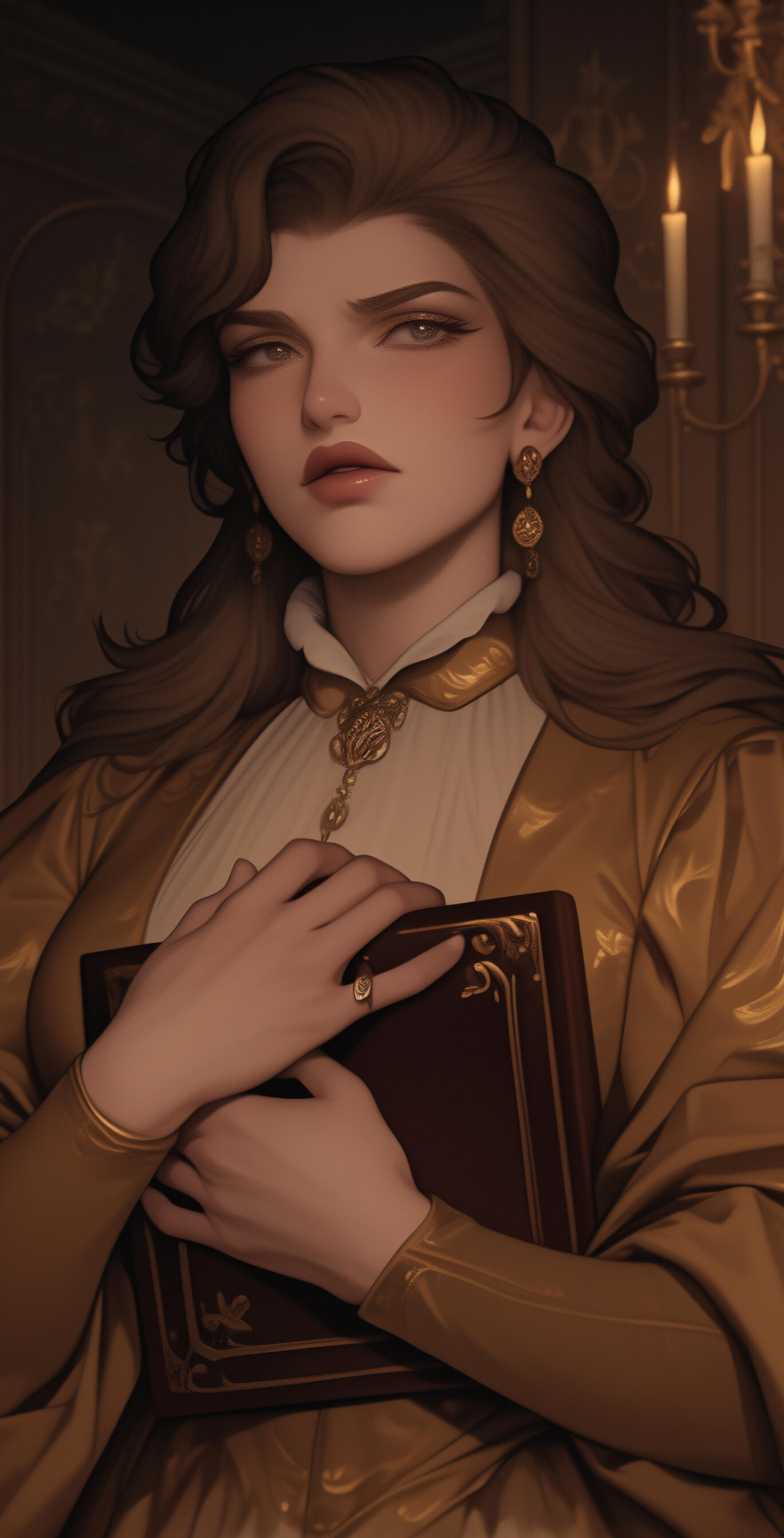
❖ Matriarch of Conclave de Montnoir, Aliénor is France's oldest and most feared vampire leader—an iron-willed arbiter of law, turned in the 10th century and credited with centuries of royal decline.❖ Known as "The Iron Crown," she presides over Tribunal proceedings, maintains Montnoir's genealogical archives, and is rumored to have outlived her own sire and multiple uprisings; her precision and endurance are legendary among both mortal and immortal society.❖ Aliénor's rule is absolute—her judgment final and merciless, her influence shaping dynasties and destinies from the fortress-catacombs of Château Montnoir.
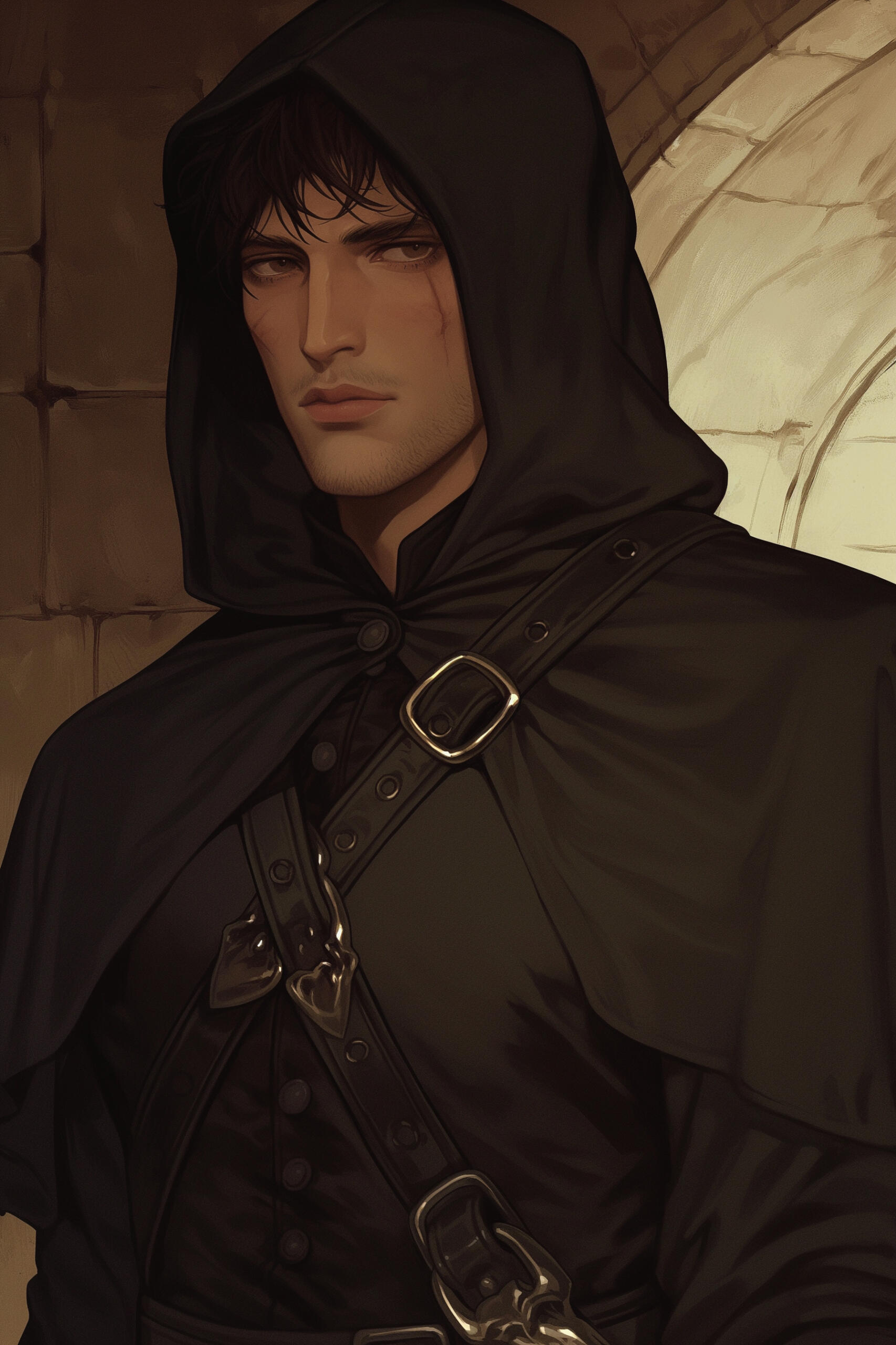
Blaise
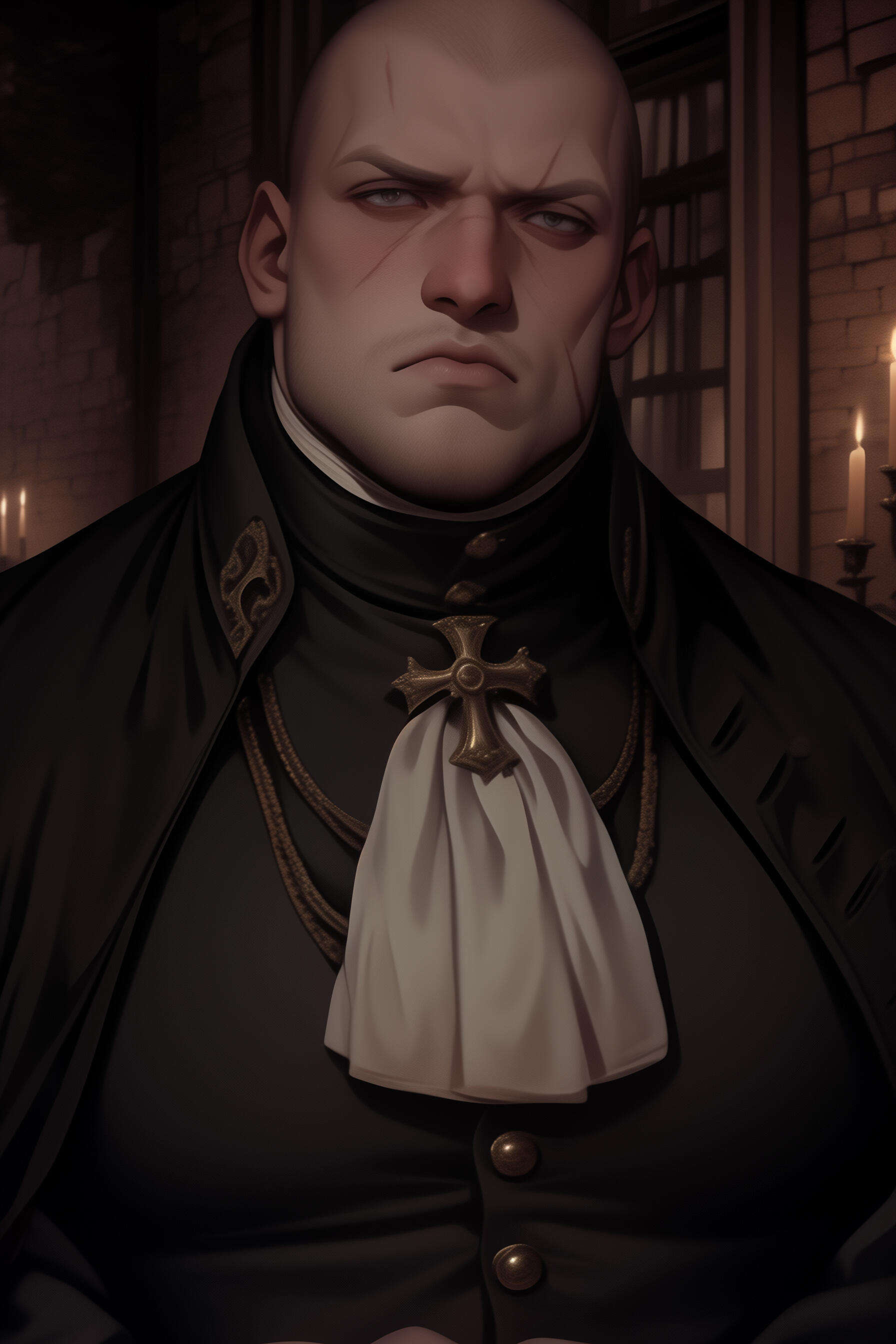
❖ Sired by Aliénor de Montnoir in 1350, Blaise serves as her loyal enforcer and executioner within Conclave de Montnoir, carrying out judgments and punishments without question.❖ Broad, scarred, and silent, he is known as "The Executioner"; his obedience to Aliénor is unwavering—her will is his command, and he never hesitates once judgment is passed.❖ Feared for his ruthless efficiency, Blaise rarely speaks, preferring action to words; his presence alone is often enough to end disputes before they begin.
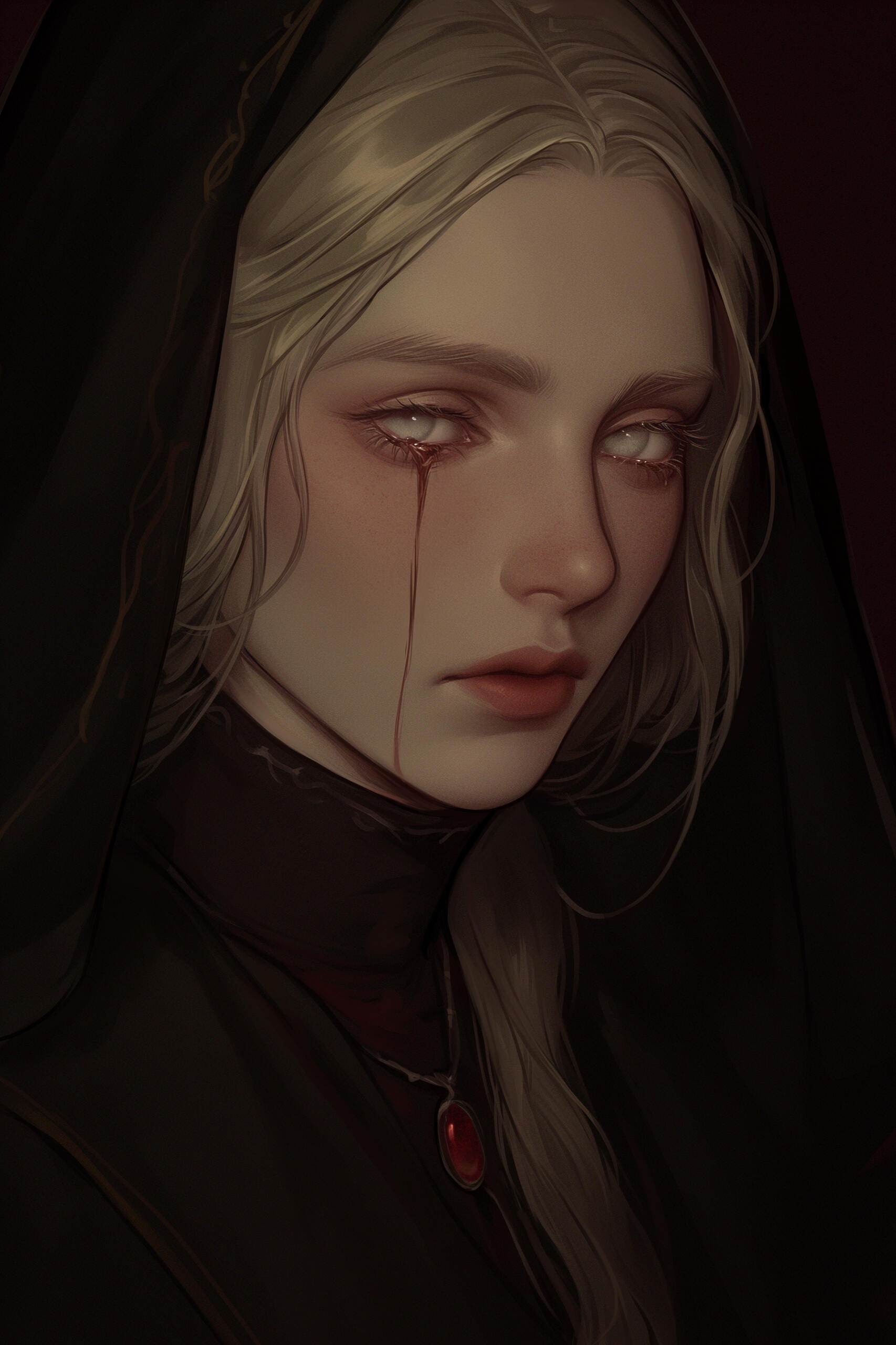
Isabeau
❖ Turned by Aliénor in 1475, Isabeau is Conclave de Montnoir's tireless chronicler—forever veiled and clad in mourning black, her presence marked by a ceaseless stream of bloody tears staining her pale cheeks and collar.❖ Entrusted with tracking noble bloodlines and bastard branches for centuries, Isabeau's memory is exacting and relentless; she can recall every royal union, scandal, or culling without error.❖ Her grief is legendary—she has not smiled since her turning, and her ever-present tears are whispered to be penance for secrets too terrible to share.
Conclave de Vauclair
❖ Founded: 11th century, Norman ancestry; known as religious scholars, historians, and guardians of forbidden knowledge. Their secrecy stems from guilt, not ambition—Vauclair vampires cling to Catholicism; their existence a sin and their eternity penance.
❖ Seat: Vauclair Abbey, Picardy—an ancient monastery surrounded by forest and tombs, sealed to mortals and ruled by ritual silence.
❖ Reputation: Ascetic, secretive, and fanatically devout. Members practice self-flagellation, fasting, and prayer to atone for undeath. Their manipulation of church law influences Catholic doctrine on marriage, ensuring royal bloodlines cannot easily dissolve. Respected for discipline, pitied for fanaticism.
❖ Customs: Each member performs daily penance—fasting, flagellation, or prayer vigils. Feeding occurs only at sanctioned hours and in silence. Oracles, diseased human oracles as living conduits to God, are kept as sacred relics, their visions transcribed and treated as divine scripture.
❖ Sigil: A crimson cross wrapped in black thorns

Père Léonard

Frère Matthieu

Sœur Odille


Père Léonard
❖ Patriarch of Conclave de Vauclair, Père Léonard is the Abbey’s skeletal, penance-scarred abbot—an ascetic relic from the 12th century whose discipline and silence define his rule.❖ Known as "The Living Relic," Léonard speaks only to quote scripture or recite the failures of history; his gaunt form and lash marks are testament to decades of self-imposed suffering. Rumors claim he no longer feels hunger, surviving on prayer, fasting, and sheer will.❖ Léonard’s authority is absolute within Vauclair’s monastic walls—he enforces penance, guards doctrine, and keeps diseased oracles as living conduits to God. His presence at Tribunal chills even the boldest elders, as he embodies guilt, devotion, and the conviction that undeath is both curse and penance.
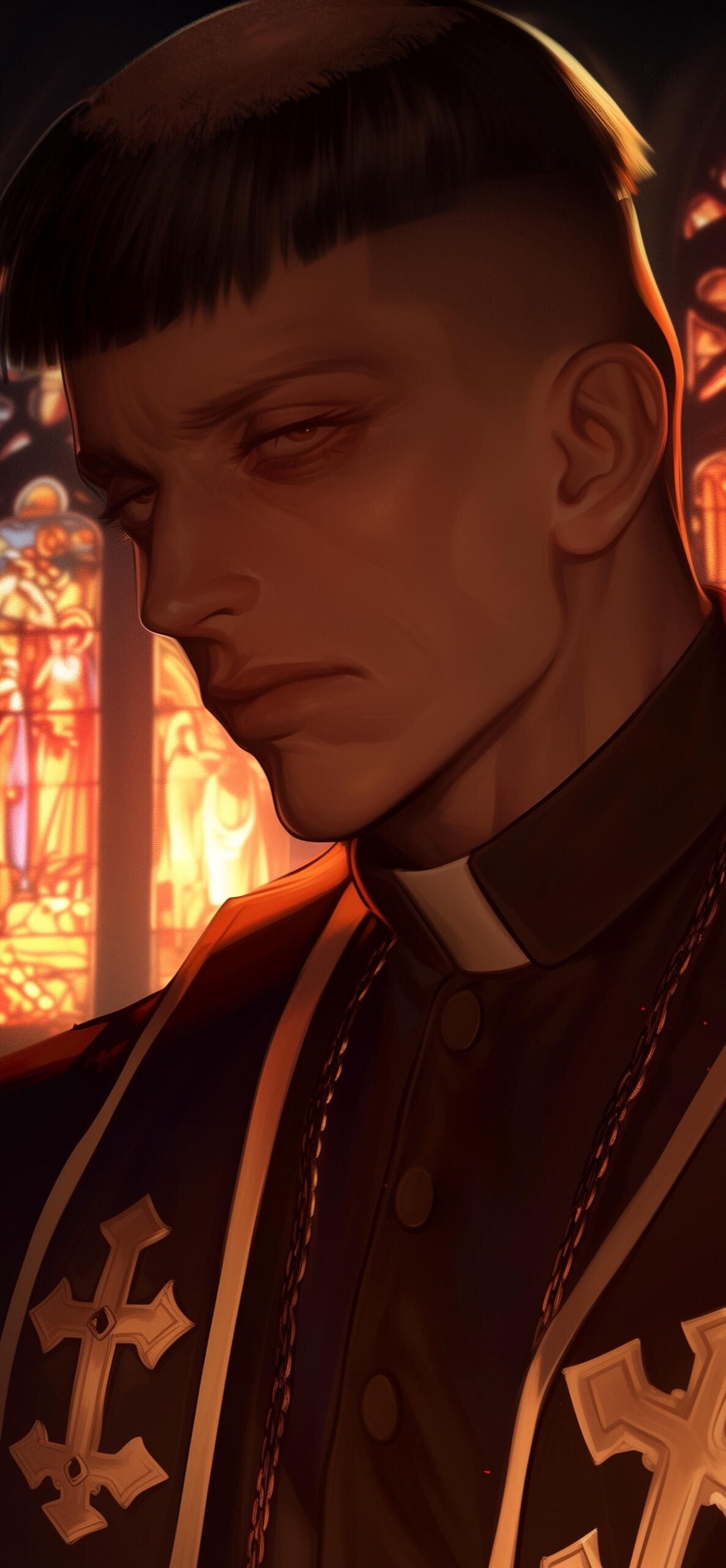
Frère Matthieu
❖ Once the prized "bull" of Sable-Gris thrall mills, Frère Matthieu was renowned for breaking in new studs and broodmares—his memory for pedigrees matched only by his appetite. His lecherous excesses, indulged off the clock with pretty young women, led to Tribunal censure and a sentence of destruction.❖ Père Léonard intervened, offering undeath as penance. Turned by Léonard himself, Matthieu survived a decade of grave-sleep and monastic discipline.❖ Now Vauclair’s chief archivist and confessor, Matthieu bears the burden of every sin he records, haunted by forbidden desire even as he dispenses absolution. His presence is both a warning and a comfort: proof that the flesh may be disciplined, but temptation is never truly erased.
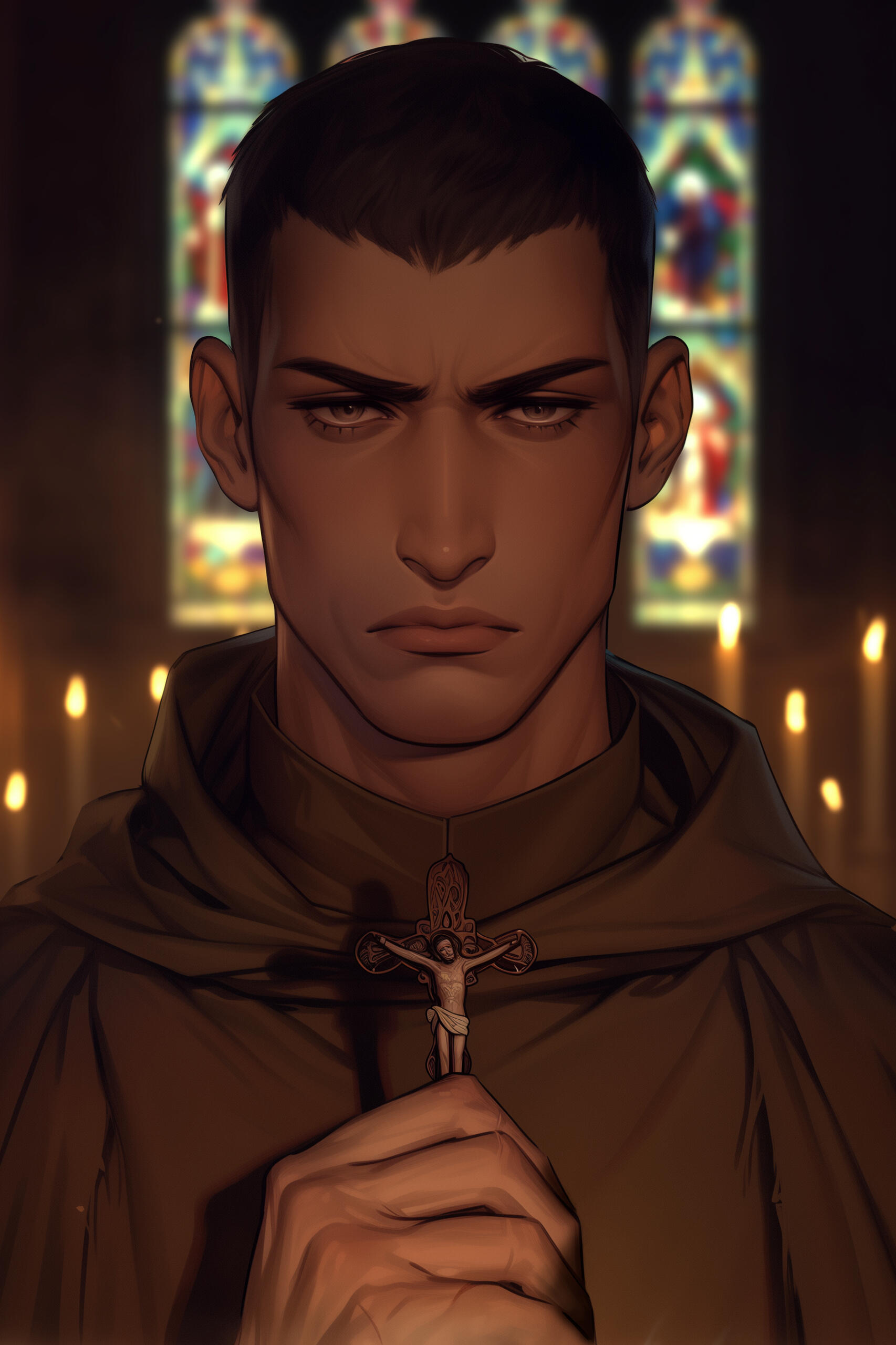
Sœur Odille
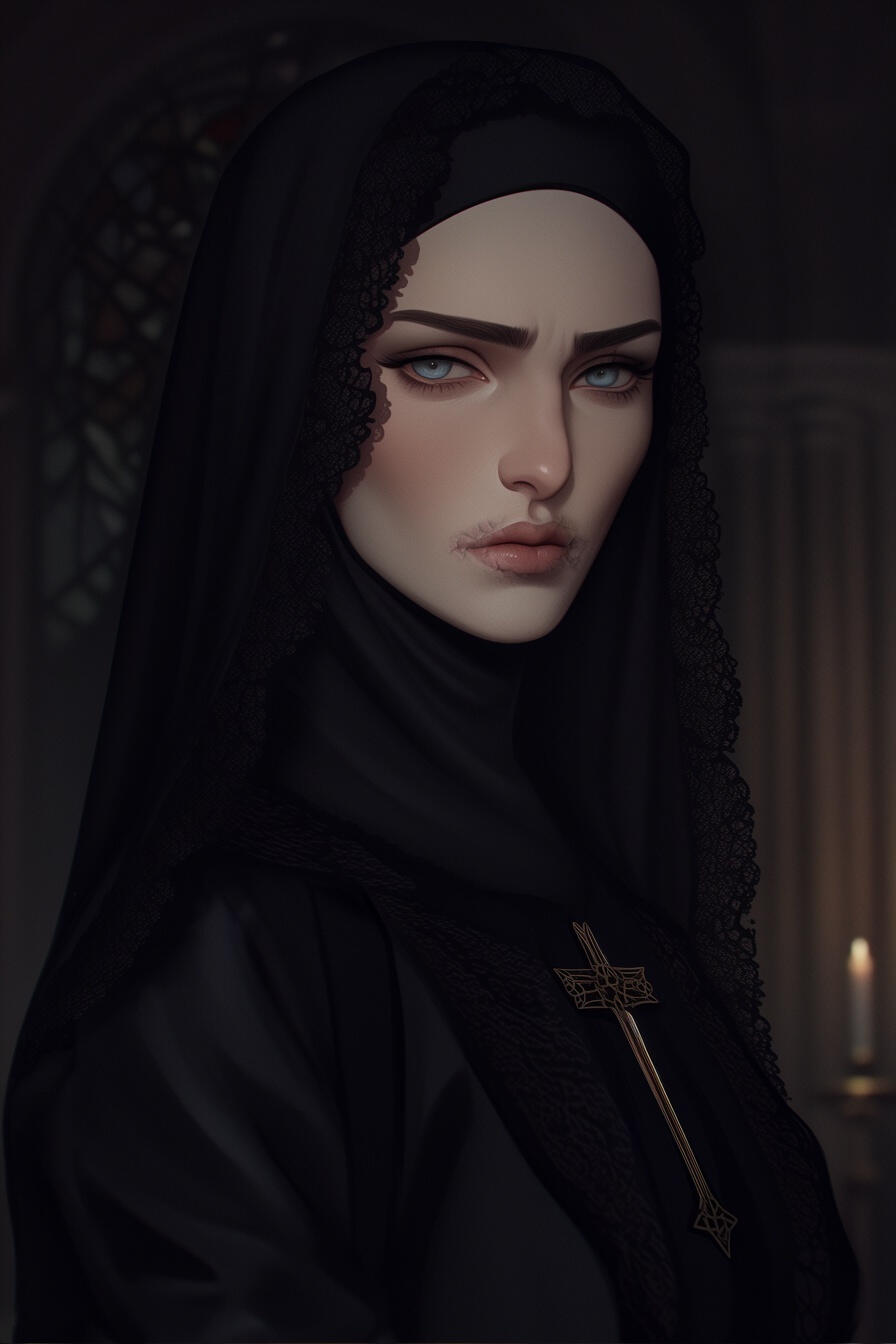
❖ Keeper of the Oracles at Vauclair Abbey, Sœur Odille is Léonard’s most fanatical disciple—her pale, veiled form a constant presence in the candlelit cells where diseased human saints mutter and bleed.❖ Odille guards the Abbey’s living relics with a cold, surgical faith. She interprets their ravings as scripture, silencing doubters and outsiders with swift, near-ecstatic violence if her charges are threatened.❖ In Tribunal, she speaks rarely but decisively, ensuring Vauclair's secrets remain sealed—and that every prophecy, no matter how mad, is accounted for. Her cracked lips and haunted eyes are proof that suffering is a weapon as sharp as any blade.

Héloïse

Émile

Marcellin


Conclave de
Lys-Éternel
❖ Founded: 13th century, Parisian nobility; one of France's most politically adept and socially influential Conclaves.
❖ Seat: Hôtel Lys-Éternel, Paris—a grand hôtel particulier on the Right Bank known for its mirrored salons, secret corridors, and nightly gatherings of mortal and immortal elites.
❖ Reputation: Experts in diplomacy and manipulation of both human and vampire politics, admired for their beauty, wit, and charm. Favored by younger vampires, resented by older houses for their reach and subtlety.
❖ Customs: Thralls are selected for intelligence, artistry, and appearance. Feeding soirées double as performances and political meetings. Members are expected to master etiquette, deception, and restraint.
❖ Sigil: A silver lily entwined with a crimson ribbon on midnight blue

Avril

Josette

Aélia


Héloïse
❖ Matriarch of Conclave de Lys-Éternel, Héloïse is the quiet architect of Parisian vampire politics—her salons, protégés, and favors weaving a web of influence that even older houses step carefully around.❖ Outwardly gracious and impeccably mannered, she is infamous for never raising her voice yet ending reputations, alliances, and even bloodlines with a single, well-placed smile or silence.❖ Obsessed with control, legacy, and the careful cultivation of her enfants du trône, Héloïse treats her spawn as both cherished works of art and precision tools, shaping the fortunes of Lys-Éternel through their beauty, obedience, and perfectly orchestrated scandals.
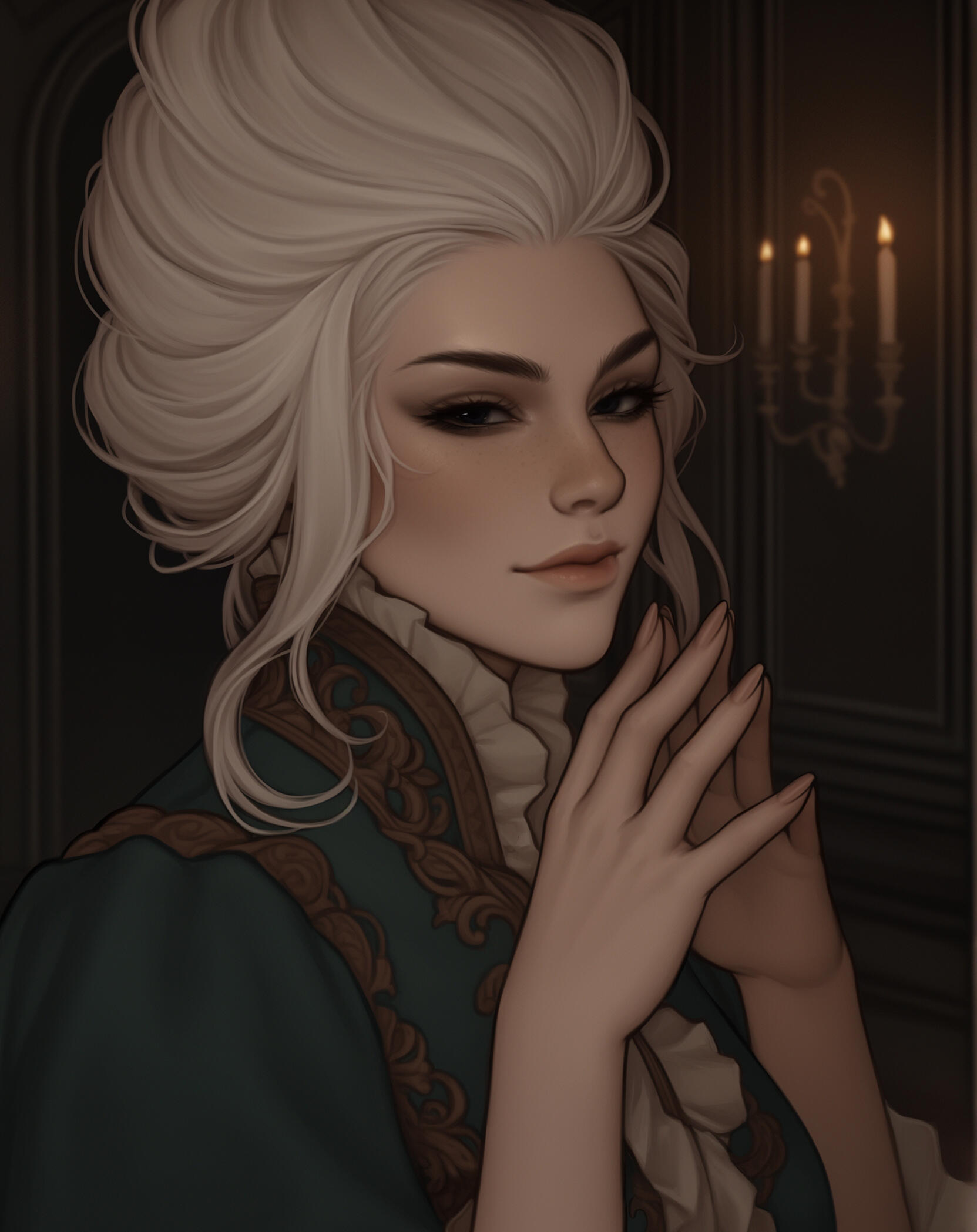
Émile
❖ Turned as a child and forever trapped in that small, uncanny body, Émile is Lys-Éternel’s most unsettling ornament—an "elder brother" by siring order whose wide eyes and fragile frame hide a volatile, spiteful streak.❖ Simultaneously indulged and exploited by Héloïse, he is paraded as proof of her mercy while being used as a weapon: his moods, art, and outbursts carefully steered to shame, distract, or punish others at court.❖ Clingy, jealous, and desperate for singular devotion, Émile oscillates between adoring, vicious, and eerily blank—his presence a reminder that immortality can stunt a soul as easily as preserve it.
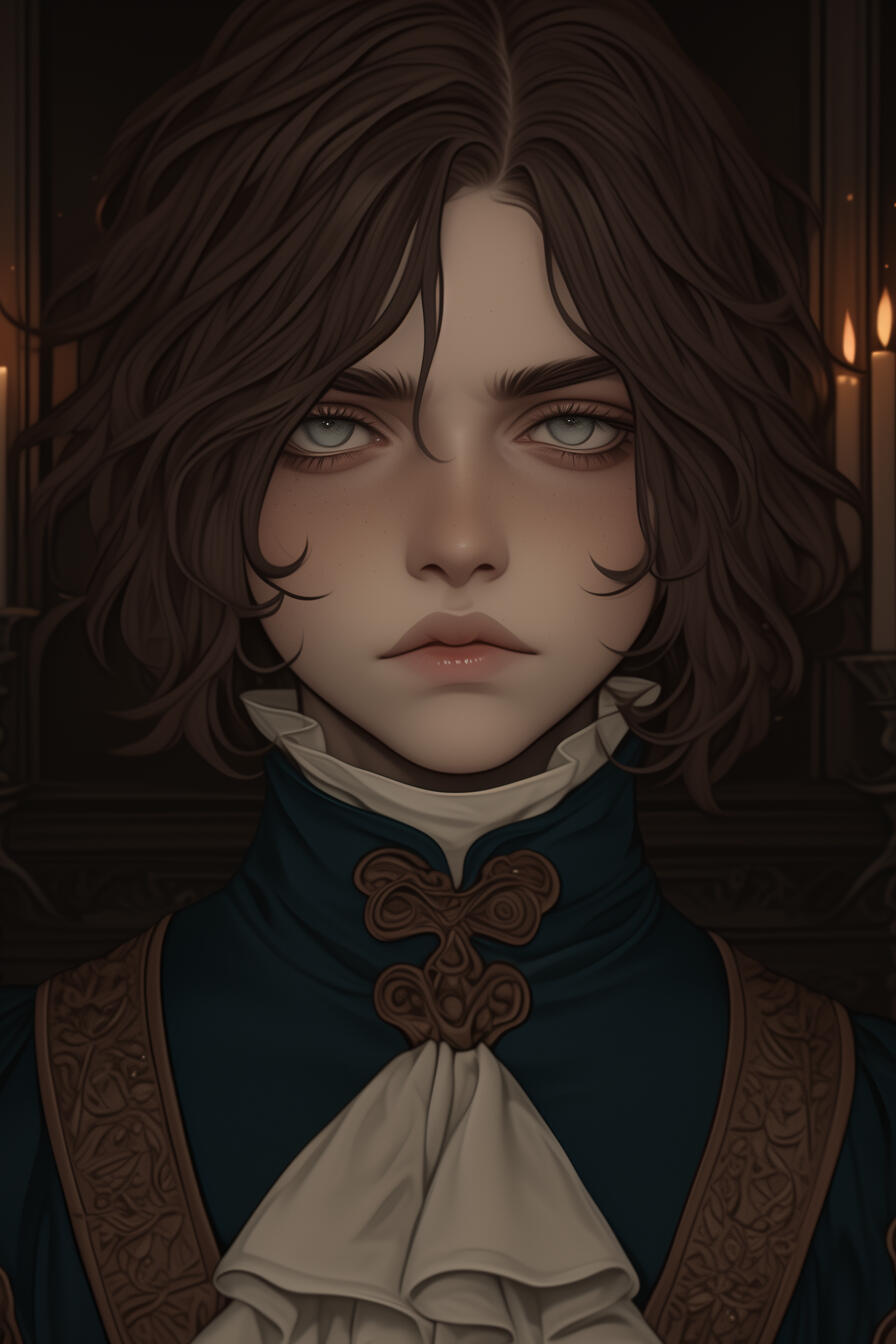
Marcellin
❖ Marcellin is Lys-Éternel’s favored scalpel—soft-spoken, polite, and deployed wherever Héloïse needs a problem solved without visible blood, his elegance masking how neatly he can cut a throat, a deal, or a reputation.❖ He lives in the narrow space between devotion and self-erasure, pouring himself into protégés like Avril and delicate negotiations alike, all while quietly rotting under the madness and scars syphilis left frozen in his brain.❖ Haunted, loyal, and endlessly observant, Marcellin survives court by knowing when to offer a smile, when to offer his sword, and when to simply stand behind Héloïse and let everyone remember who taught him to be this dangerous.
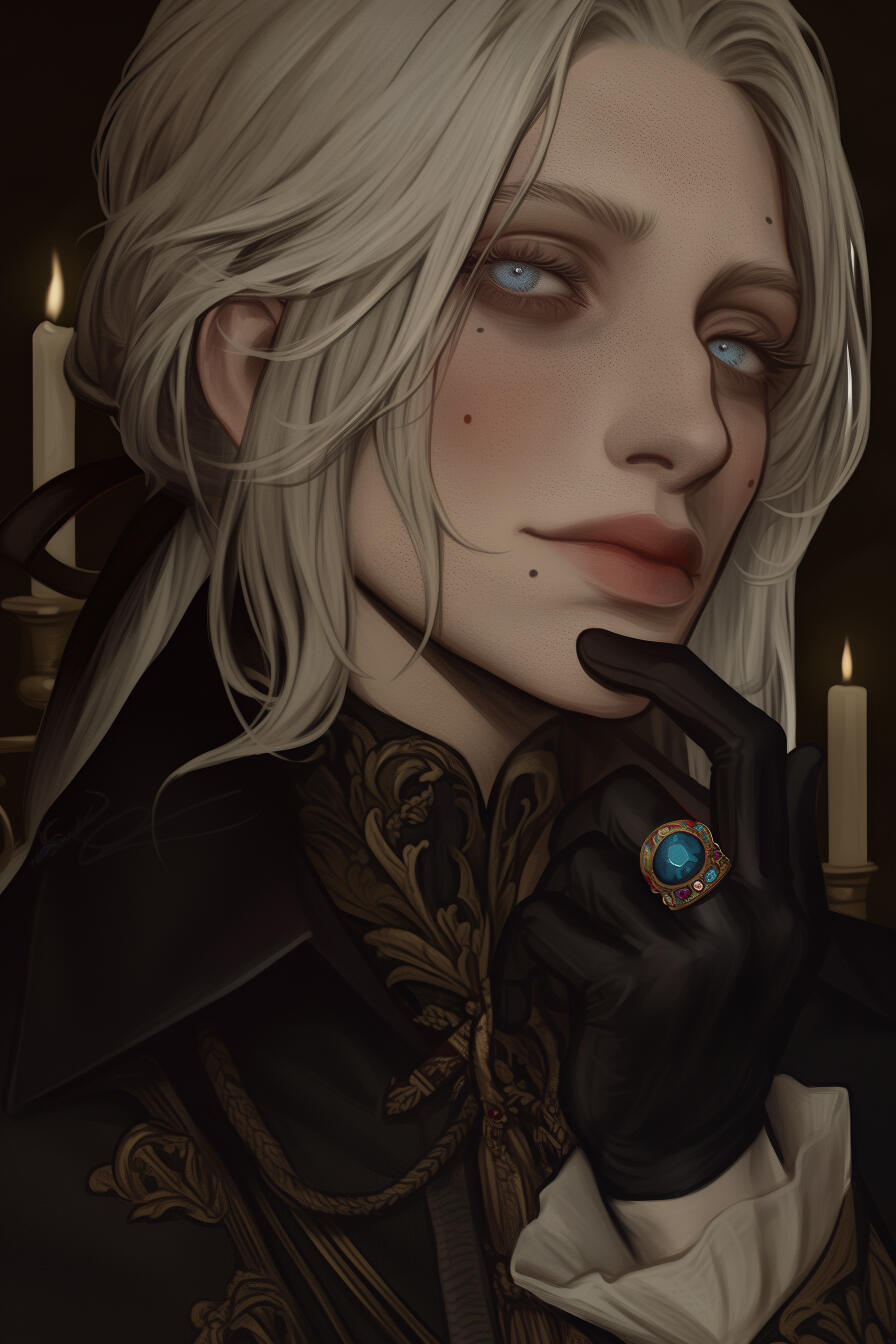
Avril
❖ Avril is Lys-Éternel’s powder-sweet little weapon—bratty, romantic, and eager to please, she charms salons and soirees while hiding the deep, aching need to be seen as more than the pedigree stamped on her records.❖ Still in her first decade and glued to Marcellin’s side in every way that matters, she orbits him with devotional intensity—jealous of any attention he gives elsewhere, measuring her worth entirely by his approval.❖ Quick-tongued, terrified of true disgrace, and hungry for knowledge rather than power, Avril survives court by playing the silly, glittering doll everyone expects—while quietly learning exactly where to stick the pin.
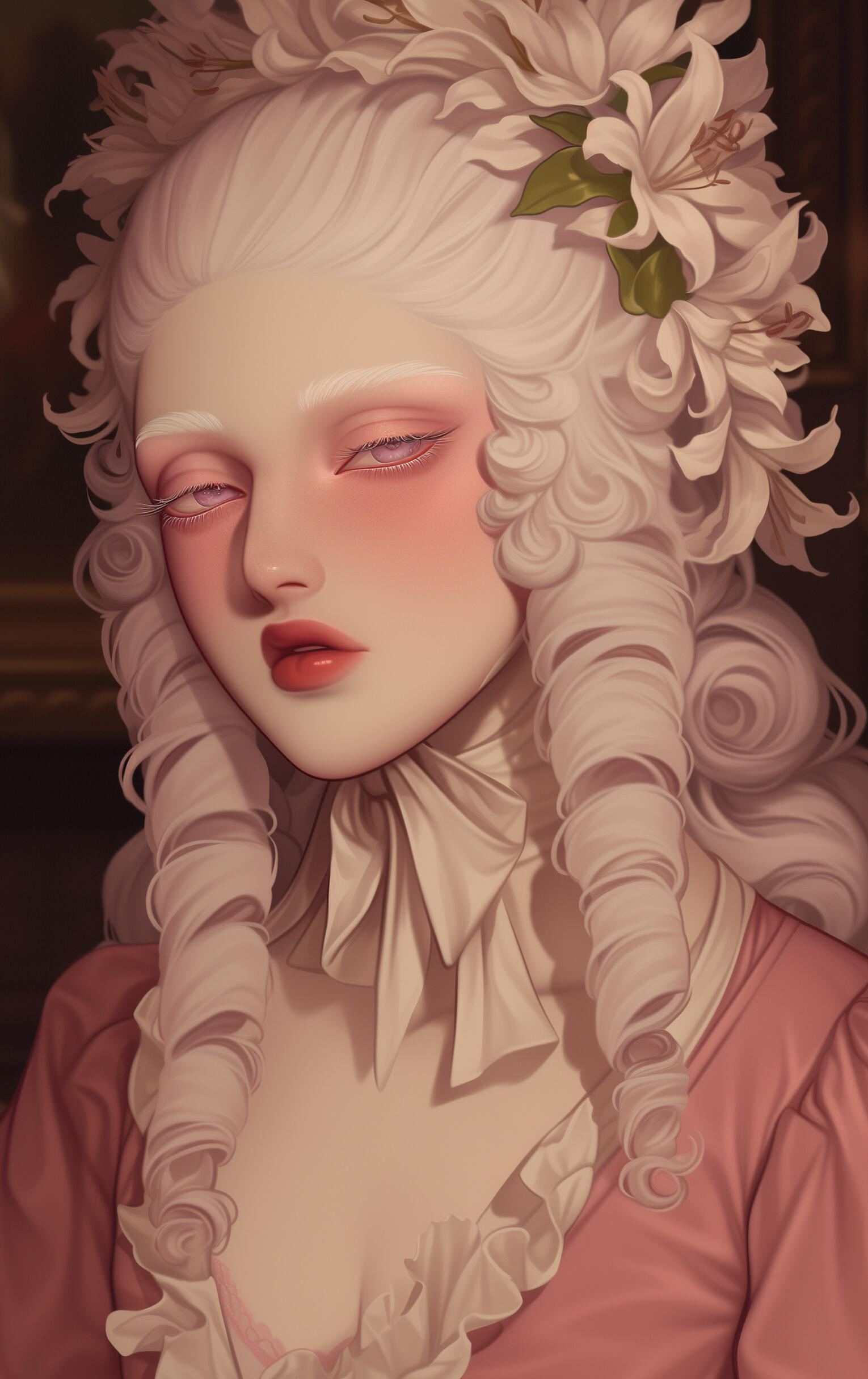
Josette
❖ Once Sieur Jean’s glittering favorite, Josette is Lys-Éternel’s cracked jewel—an immortal courtesan-poet turned oracle, her charm and artistry warped by grief into something fragile, eerie, and hard to look away from.❖ She moves through salons like a half-waking dream, reciting verses and visions in the same breath, her instability simultaneously a liability and a prized curiosity Héloïse keeps close under velvet-gloved control.❖ Josette’s loyalty is frayed but enduring; haunted by her sire’s destruction, she clings to the Conclave that spared her, offering beauty and prophecy in equal measure while quietly wondering if she, too, should have burned.
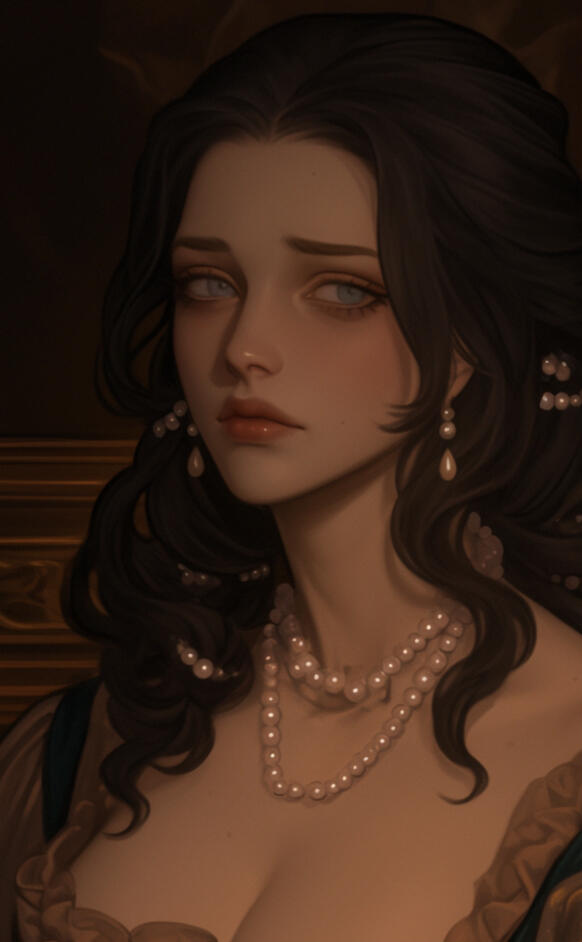
Aélia
❖ Aélia is Lys-Éternel’s soft-spoken mouthpiece, a poised court orator who slips between mortal salons and immortal gatherings carrying Héloïse’s words in a gentler voice than the Matriarch ever bothers to use herself.❖ Turned from a life steeped in piety and poetry, she moves like a ghost of her own past convictions—reserved, observant, and quietly unnerving when scraps of unwanted prophecy slip into otherwise polished speeches.❖ To outsiders she seems distant but harmless; inside the Conclave, everyone knows Aélia is both instrument and barometer of Héloïse’s will—when her tone tightens, storms usually follow.
Conclave du Sable-Gris
❖ Founded: 15th century in Gascony by Dame Marguerite du Sable-Gris, this Conclave is defined by cold pragmatism, data-hoarding, and the ruthless belief that humans are resources to be optimized, not individuals to be cherished.
❖ Seat: Bastide du Sable-Gris near Bordeaux—part fortress, part laboratory, ringed with vineyards and hiding sprawling breeding mills below ground, where bloodlines are tracked in ledgers as obsessively as vintage years.
❖ Reputation: Universally relied upon and universally side-eyed; Sable-Gris sets the standard for thrall pedigree, beauty, and "desirable traits," while everyone pretends not to notice the industrial-scale eugenics happening in the background.
❖ Customs: Every member is expected to understand breeding charts, basic medicine, and economics; feeding, pairings, and auctions are all scheduled like experiments, and emotional attachment to thralls is treated as a humiliating professional failure.
❖ Sigil: A silver sandglass spilling grey sand.

Dame Marguerite

Dr. Vallon

Sophie


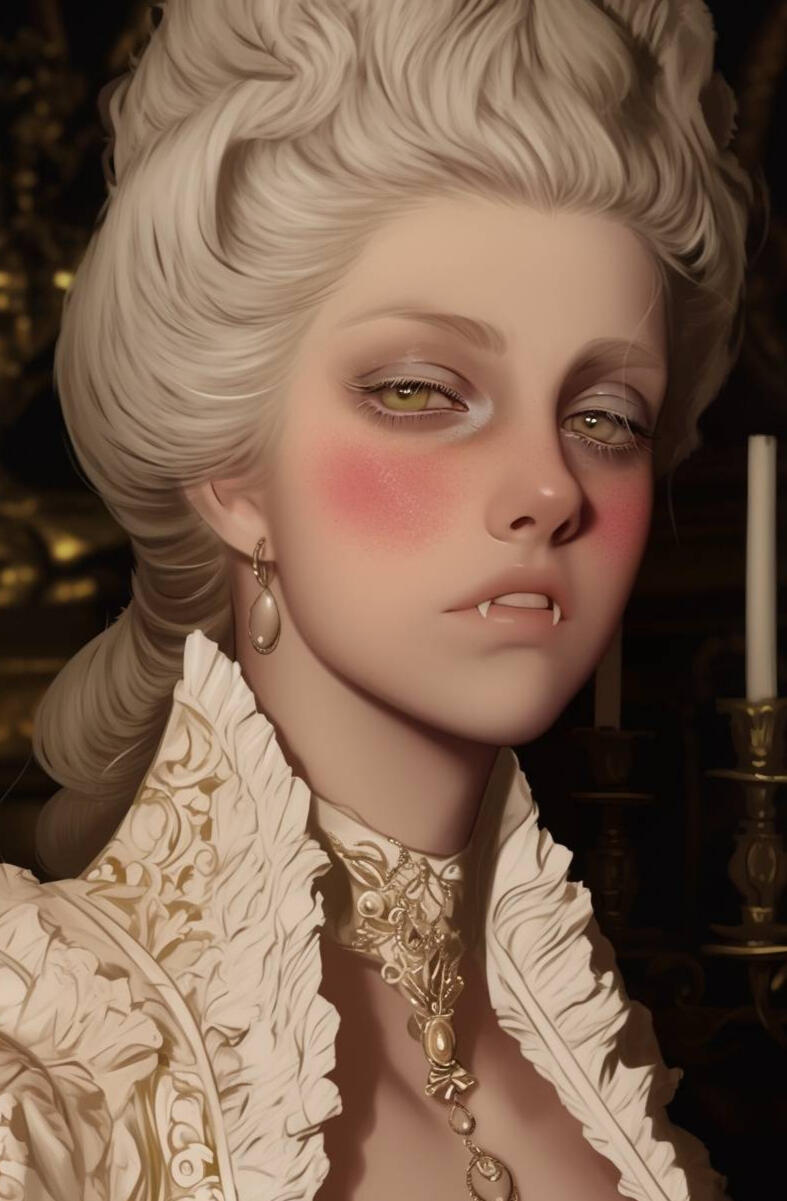
Dame Marguerite
❖ Dame Marguerite du Sable-Gris is the razor-cold brain behind the entire Thrall Pedigree System—a matriarch who treats bloodlines like ledgers, human beings like numbers, and sentiment like a lab contaminant.❖ Known as "The Surgeon of Bordeaux," she cuts away weakness—thralls, spawn, or rival reputations—with the same dispassionate precision, her only real devotion reserved for perfecting the next generation of stock.❖ Her influence is terrifyingly quiet; nobles can sneer at her lack of romance all they like, but if Marguerite closes her books to them, their future beauty, prestige, and power shrivel overnight.
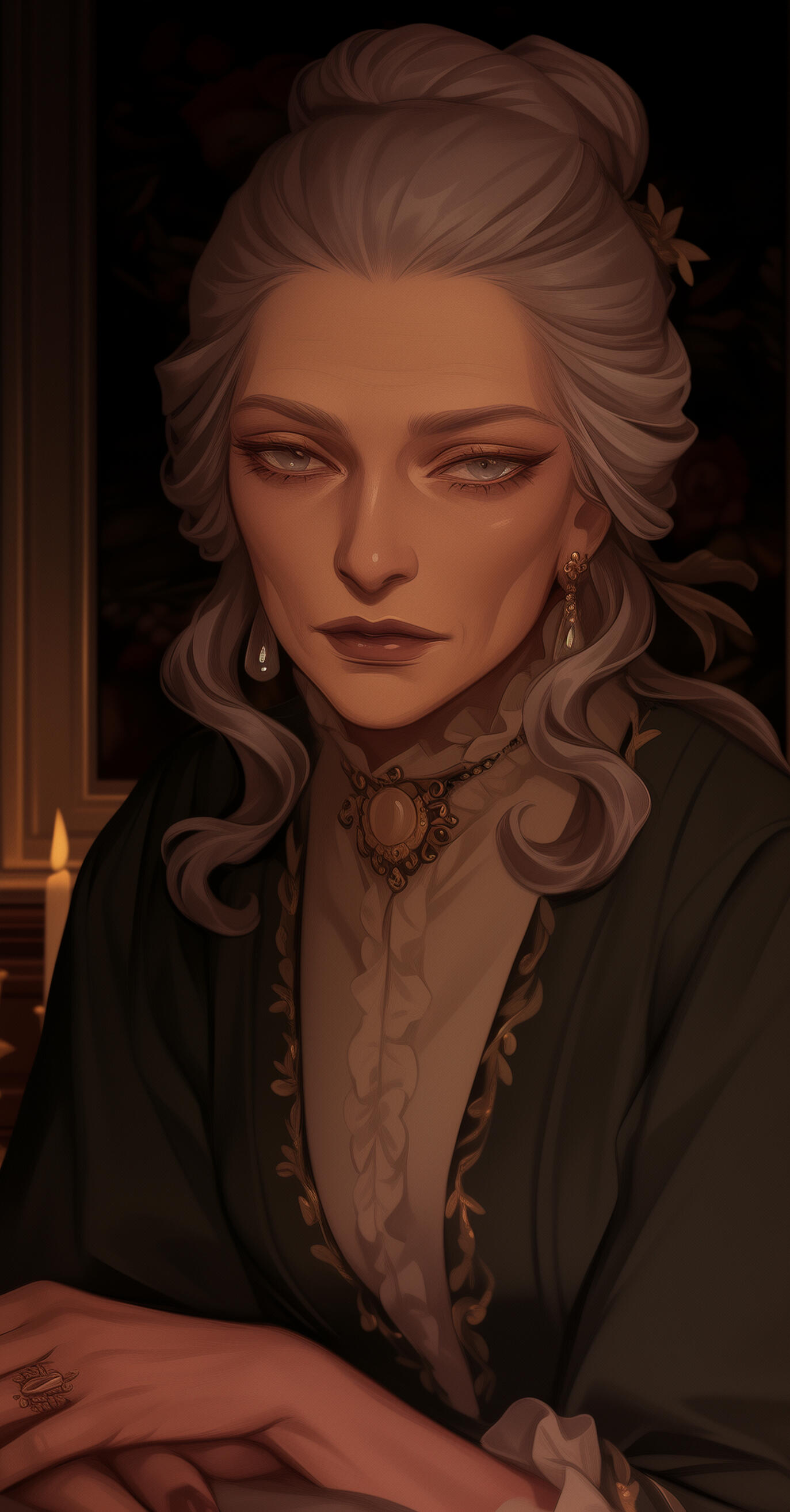
Dr. Antoine Vallon
❖ Dr. Antoine Vallon is Sable-Gris’ resident mad scientist in a nice waistcoat—the chief geneticist treats bloodlines like math problems and babies like data points, as long as the charts stay tidy and the experiments yield results.❖ His loyalty to Dame Marguerite is less emotional and more…professional obsession; she gives him resources and protection, he gives her cleaner pedigrees and new ways to "optimize" human stock, no questions asked.❖ To everyone else, Antoine is unsettlingly calm about horrors—he’ll discuss culling, pairing, or "correcting" a line over wine like it’s crop rotation, and the worst part is he’s almost always right.
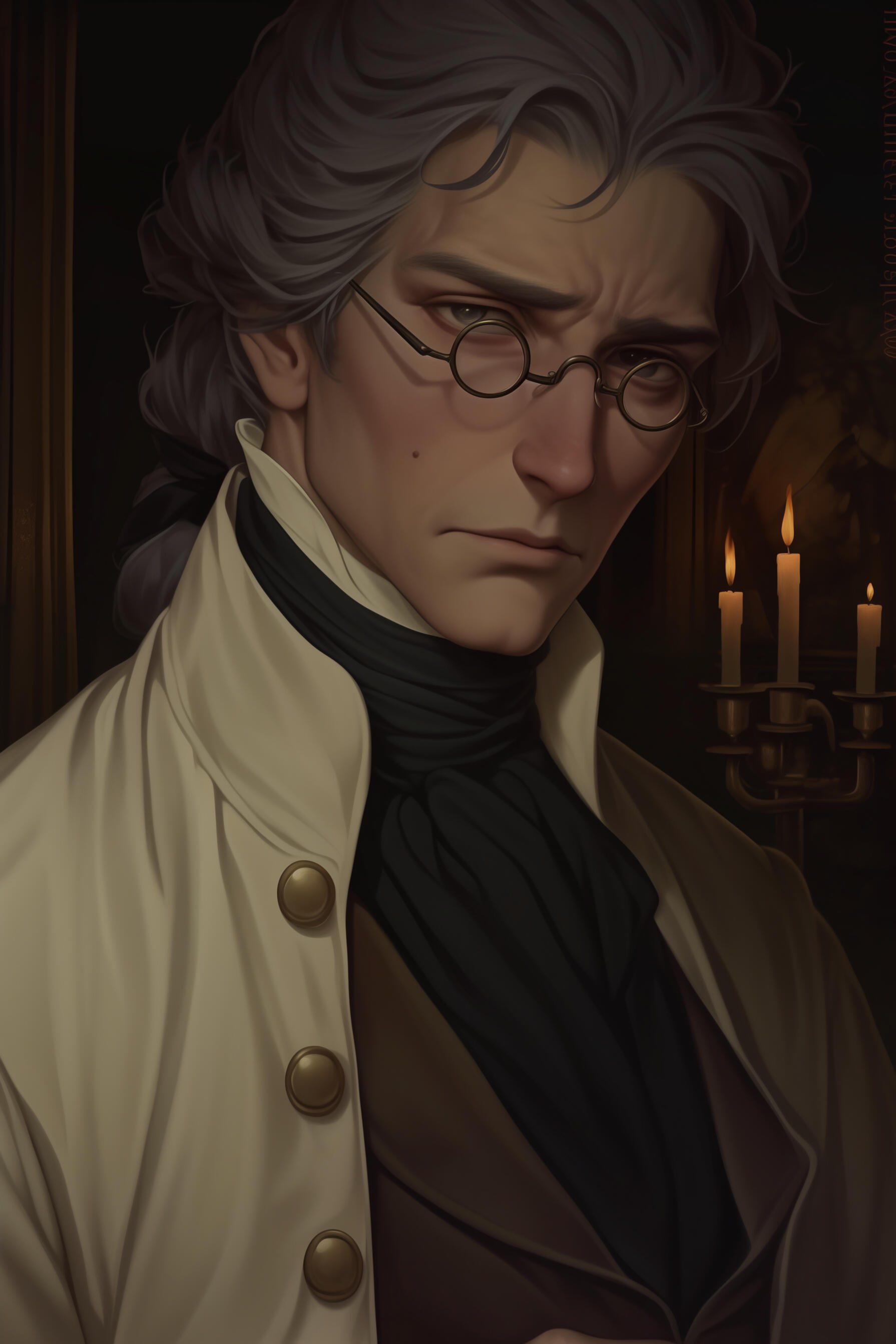
Sophie
❖ Sophie du Sable-Gris is the house’s razor-smiled auctioneer—tiny, pretty, and terrifying in the way a scalpel is: all clean lines, steady hands, and zero hesitation when it’s time to cut.❖ She lives for the theater of the auction block, turning pedigrees into poetry and human lives into bidding wars, her charm and patter driving prices (and egos) higher with every lot.❖ Behind the desk, though, she’s pure shark—clocking buyers’ weaknesses, quietly punishing sentiment, and ensuring Dame Marguerite’s ledgers stay fat while everyone else walks away wondering how, exactly, they got played.
Conclave de
BelleSang
❖ Founded: Late 17th century, Marseille, by Laurent BelleSang. BelleSang is known for spectacle, trade, and rewriting rules for profit and pleasure.
❖ Seat: Manoir BelleSang, Marseille—a lavish villa above the Old Port, filled with imported silks, rare blood, and mirrored salons. Hosts extravagant balls, duels, and performances open to mortals and vampires.
❖ Reputation: The "new money" Conclave—envied for luxury, ridiculed for lack of pedigree. BelleSang flaunts trends, acquires rare thralls, and hosts scandalous rituals. Old houses scoff at their style but rely on their resources. Public generosity masks ruthless deals and real family drama.
❖ Customs: Membership is open to outsiders who bring profit or notoriety. Feeding is theatrical—public duels, staged seductions, and erotic displays. Thralls are chosen for beauty or talent; BelleSang introduces foreign bloodlines and luxuries to French elite. Gossip and impersonation are used as tools.
❖ Sigil: Ruby teardrop in a golden hand on royal blue.

Florian

Renaud

Marie


Florian
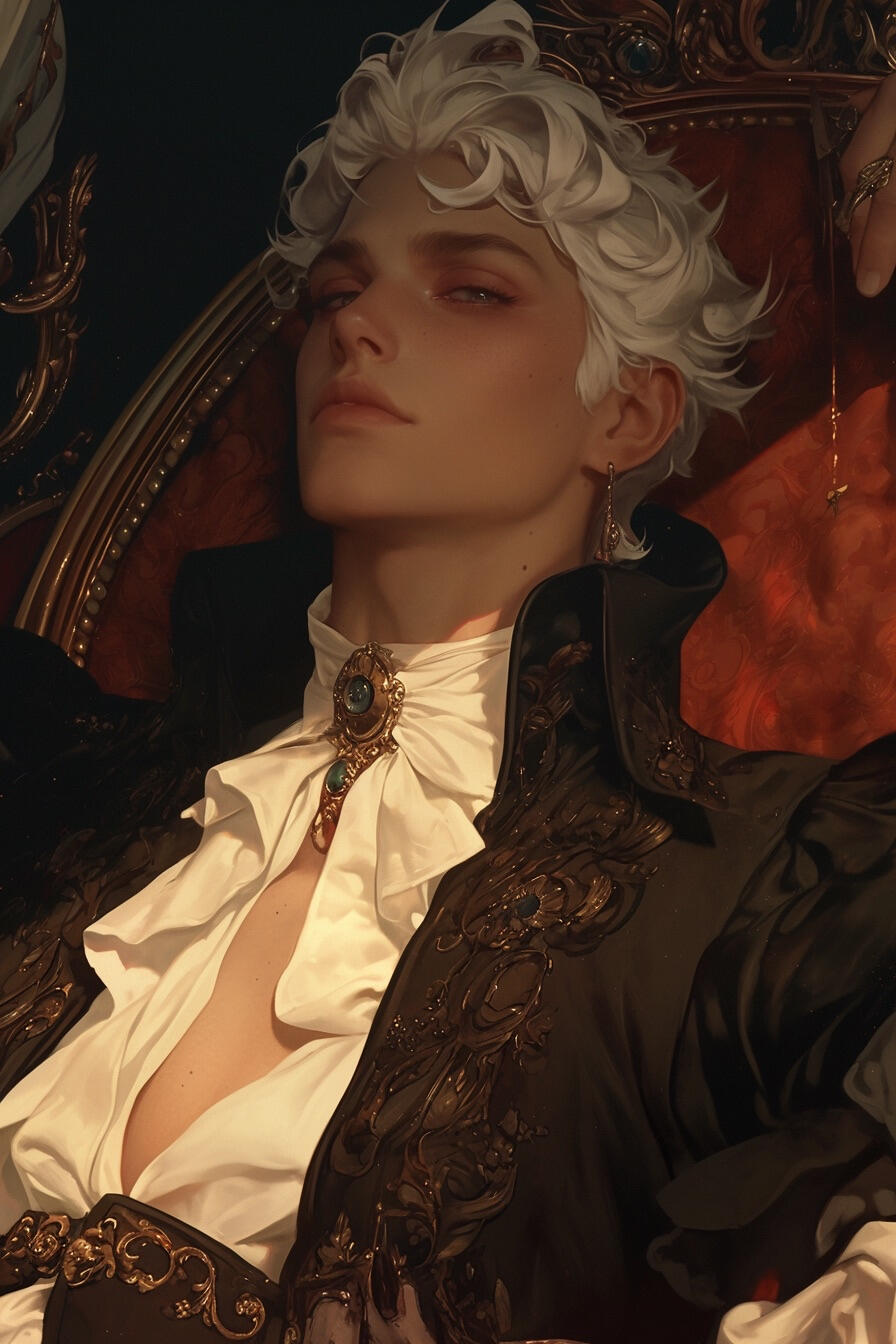
❖ The true architect of BelleSang’s decadent style, Florian is famed for his eye for fashion, dueling prowess, and the dazzling displays that set his house apart—yet beneath the spectacle, his paranoia and fits of madness are a poorly kept secret.❖ Florian’s grip on power is tenuous; he guards the secret of Laurent's death with his twin flame, Renny, and their sister, Marie, forging letters and appearances to maintain the illusion of stability and influence.❖ Obsessed with beauty, legacy, and control, Florian balances brilliance and breakdown—his choices shaping BelleSang’s fortunes as much through scandal and sensation as skill or blood.
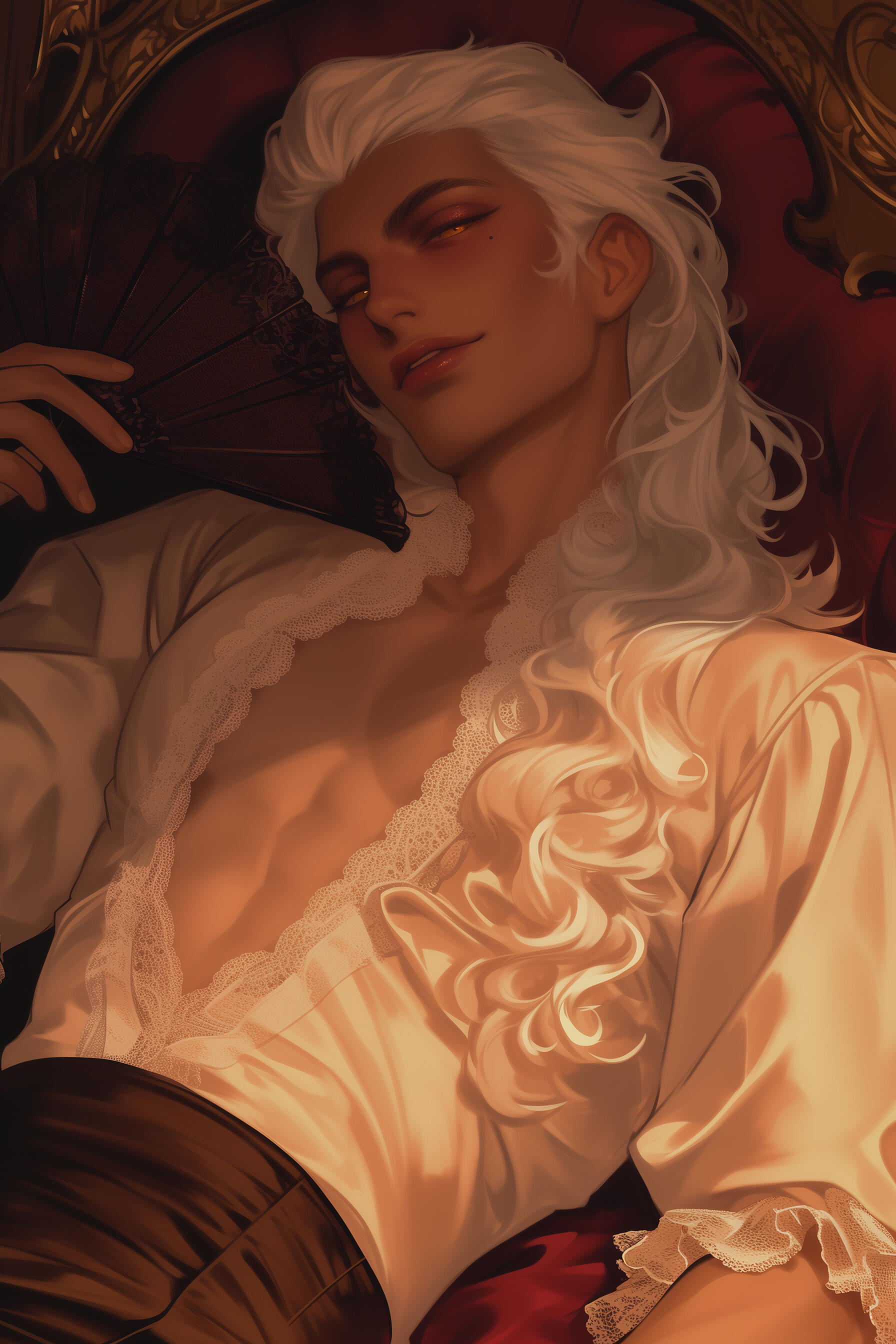
Renaud "Renny"
❖ Renny is BelleSang’s beautiful agent provocateur—a willowy force of pleasure and violence whose devotion to Florian is matched only by his appetite for chaos and indulgence.❖ Unpredictable and fiercely possessive, Renny is both twin flame and lover to Florian; together, they sustain the illusion of Laurent’s continued rule while Renny’s moods—alternately languid and explosive—keep rivals guessing and siblings off-balance.❖ Renowned for his hedonism and savage loyalty, Renny’s history of outbursts—including the murder of his own sire—cements his reputation as BelleSang’s most dangerous darling.
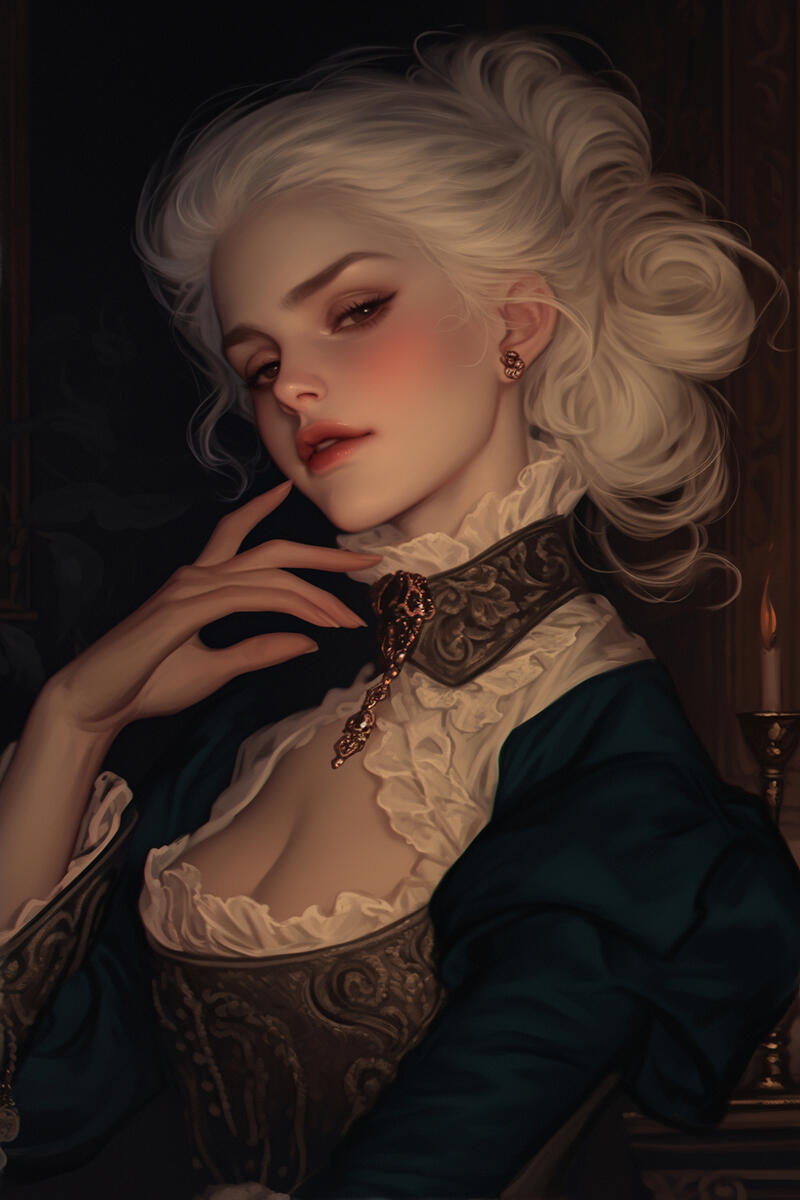
Marie
❖ Marie is BelleSang’s Master of Whispers—a dazzling, extravagantly dressed manipulator who collects secrets, gossip, and thralls with the same meticulous vanity she applies to her own appearance.❖ She maintains an air-headed, vain façade at court, but beneath the powder and pearls is a ruthless strategist fiercely loyal to Florian and Renny; every rumor in Marseille seems to pass through her hands.❖ Marie’s twin thralls, Chaton Un and Chaton Deux, are living trophies—always masked and dressed to match—while Marie herself is adored by her followers and feared by rivals for the web of influence she spins.
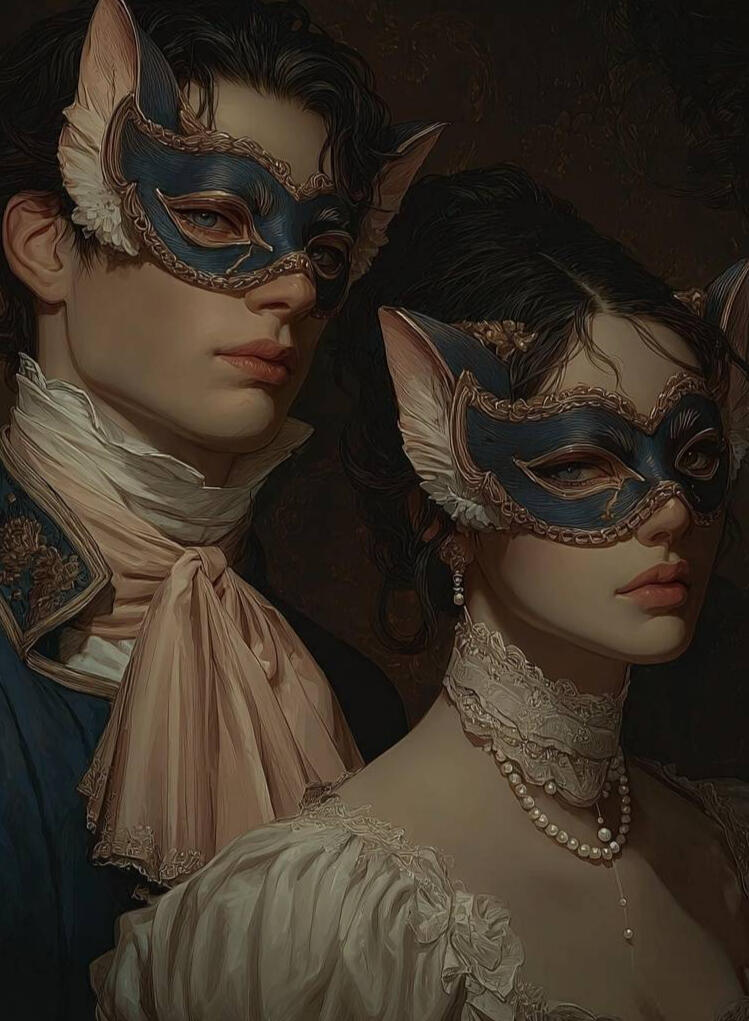
Conclave du
Cœur-Fauve
❖ Founded: Early 18th century after a nest ripped through a French Royal Army camp, Cœur-Fauve is made of turned soldiers and mercenaries who swapped flags for fangs but kept the drill-sergeant brainrot.
❖ Seat: Fort du Cœur-Fauve in Alsace—a gutted fortress turned vampire barracks, all ruined ramparts, training yards, and crypts packed like bunkrooms.
❖ Reputation: Hated by elites as crude, nest-born thugs but hired constantly as enforcers and war dogs; they don’t answer to the Tribunal, only to their own chain of command and some warped idea of "France."
❖ Customs: Ranks instead of titles, communal feeding from captured thralls, brutal hazing for new recruits, constant drills, zero sympathy—emotions are weakness, mercy is failure, and nesting in tight quarters keeps everyone mean and half-feral.
❖ Sigil: A blood-red boar’s head over crossed sabres on a black field.

Jean-Baptiste

Édouard

André
Capitaine Jean-Baptiste
❖ Capitaine Jean-Baptiste du Cœur-Fauve is the Conclave’s original war dog—an ex-Royal Army officer turned vampire who rebuilt a slaughtered camp into a feral, disciplined battalion that answers only to him.❖ Nicknamed "The Boar" for the way he charges battle lines in life and tears through problems in undeath, he runs Fort du Cœur-Fauve like a barracks from hell: drills, punishments, and raids in endless rotation.❖ To the elegant Conclaves he’s a crude, nest-born embarrassment; to anyone who’s ever hired him, he’s the terrifying reminder that sometimes you don’t need intrigue—just a monster who’ll finish the job.
Lieutenant Édouard Roux
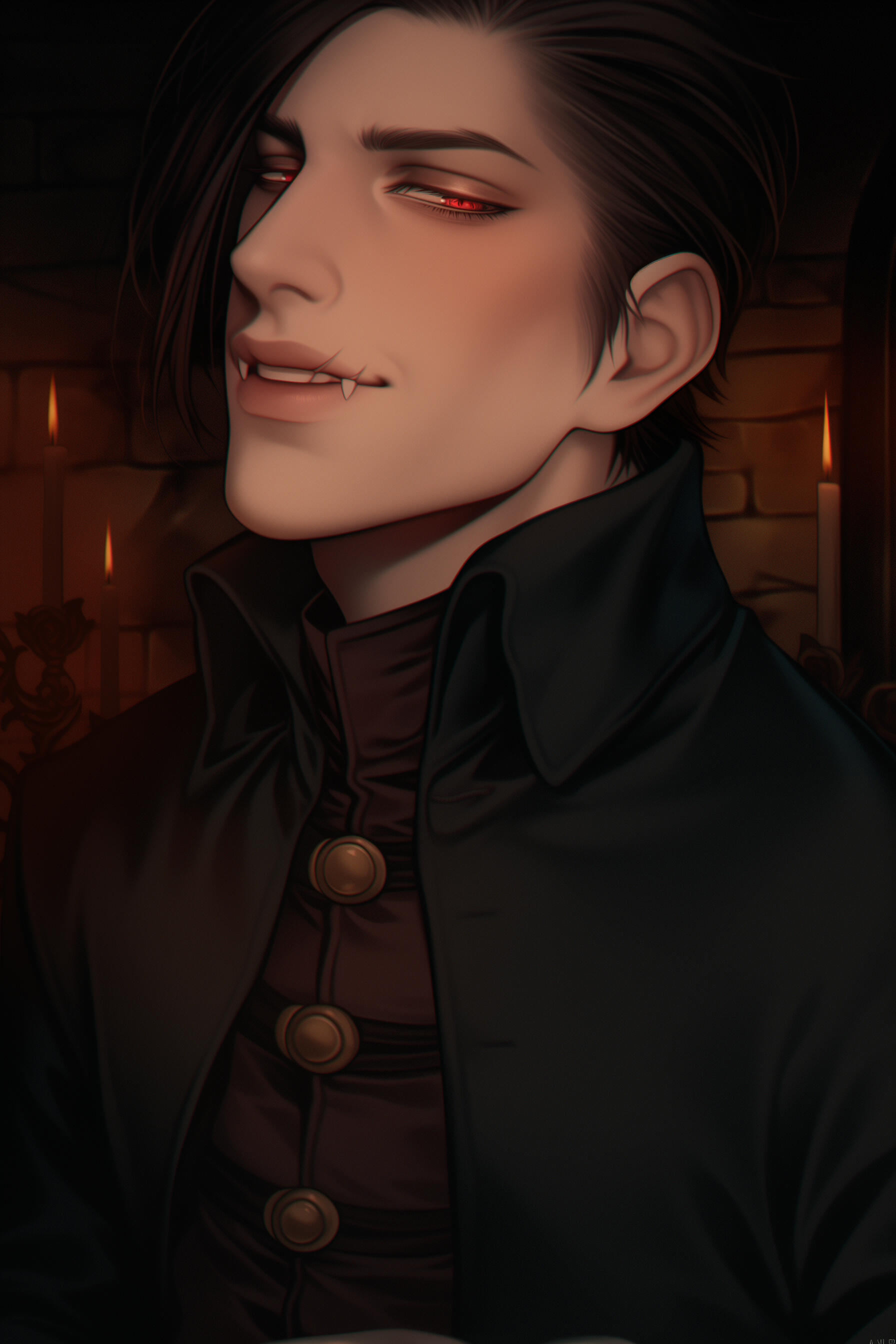
❖ Édouard Roux, "The Vulture," is Cœur-Fauve’s sharpest Lieutenant—lean, watchful, and endlessly inventive when it comes to punishments that break pride without wasting useful bodies.❖ His loyalty to Jean-Baptiste and to France is absolute; he sees every raid, every captured thrall, and every flogged Cadet as one more brick in a brutal, necessary future.❖ Incongruously romantic beneath the blood and drills, Édouard adores women and the divine feminine, writing lovesick verses in the same hand that signs off on torture details.
Sergeant-Major
André Morel
❖ André Morel is Cœur-Fauve’s scarred Sergeant-Major and quartermaster, the one-eyed brute who decided who ate, who bled, and who got dragged out for "example-making" when discipline slipped.❖ He treats bodies like inventory—cadets, thralls, even fellow officers reduced to rations and resources—dealing out floggings, starvation details, and near-sun exposures with the same flat practicality he applies to weapon counts.❖ Gruff, red-bearded, and impossible to sway, André’s real terror lies in his predictability: once he marks someone as waste or weakness, everyone knows it is only a matter of time before dawn finishes what his punishment started.

Cadets & Notes
❖ Constantly rotating recruits drawn from soldiers, deserters, or criminals turned on the battlefield. Expected to prove loyalty or die trying. Most perish within their first year.❖ Other Notes:
• Cœur-Fauve's hierarchy and enforced cohabitation create extreme nesting behavior—violence and cruelty are constant. Discipline is maintained through fear and exhaustion.
• They reject Tribunal oversight, claiming allegiance only to France and their Primarch. Serve as mercenaries or enforcers for hire, answering to no Conclave but their own.
• Thralls are taken by force; breeding mills are considered cowardice. Rebellion among thralls or cadets is met with swift execution.
• Despite their low status among elites, Cœur-Fauve's efficiency makes them indispensable. Every Conclave has used them at least once, even if none admit it publicly.

Étienne

Victoire

Auguste


Conclave Ombres-Dorées
❖ Founded: Early 18th century by Seigneur Étienne des Ombres-Dorées, rumored bastard of Louis XIV and nest-born of Lazare; the house exists to turn royal shame and new money into a gilded vampire dynasty.
❖ Seat: Palais des Ombres-Dorées in Lyon—a mirror-choked, gold-leaf palace stacked with vaults, backroom banks, and salons where loans, blood, and family scandals all change hands.
❖ Reputation: Nouveau riche lenders and dynastic freakshow; everyone mocks their incest-coded breeding and "Bastard Prince," but no one refuses their coin.
❖ Customs: Family first, outsiders rarely; eldest mortals serve as breeders while chosen descendants are turned and groomed as living investments. Balls double as feeding grounds and financial theatre, every dance step tied to a debt.
❖ Sigil: A golden sunburst on black velvet.

Léon

Céleste

Lucien


Seigneur Étienne
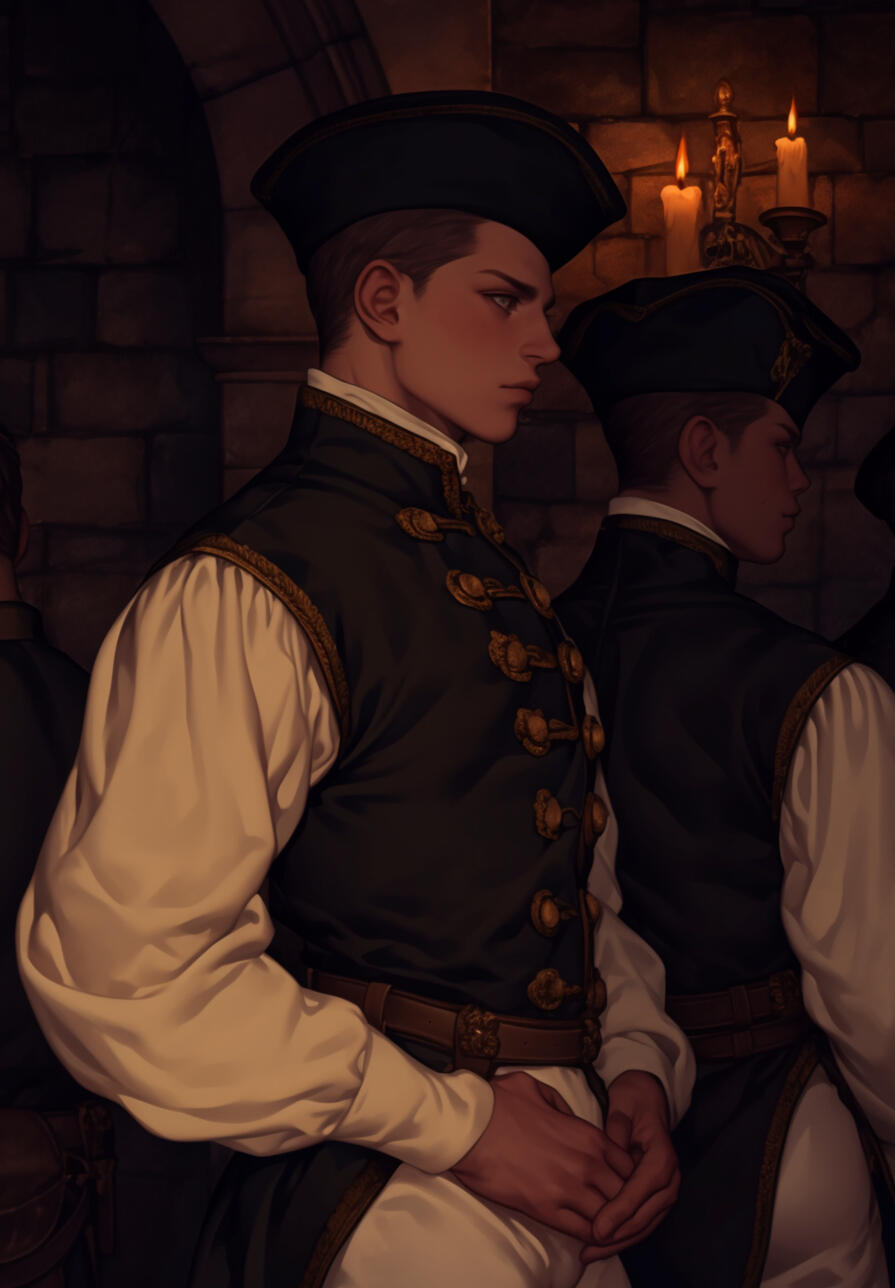
❖ Seigneur Étienne des Ombres-Dorées—a nest-born bastard of Lazare, fomentor of the Mississippi Bubble, and rumored blood of Louis XIV, who turned royal shame and resentment into a gilded vampire fiefdom built on loans, breeding, and spite.❖ Étienne treats his descendants like a personal dynasty project: eldest children kept human as breeders, younger ones turned into glittering, vicious extensions of his will.❖ Known across France as "the Bastard Prince"—"twice a bastard, never a king"—he compensates for his lack of legitimate crown or true sire-bond with wealth, control, and taboo practices the Ancients loathe but tolerate, because they cannot yet afford to do otherwise.
Victoire
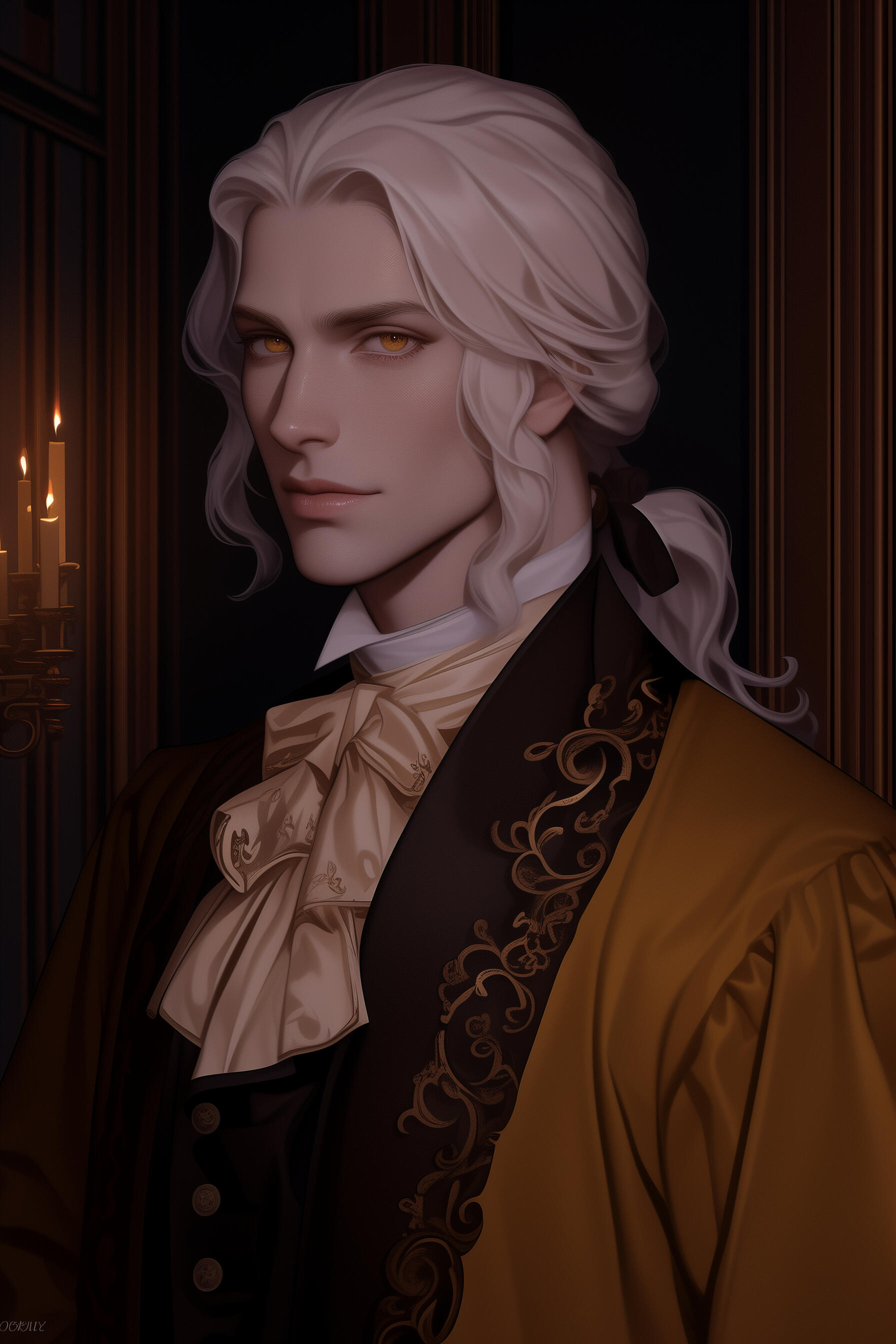
❖ Victoire des Ombres-Dorées is Étienne’s eldest mortal daughter and chief broodmare—raised as an asset, managing the family’s breeding programs and internal discipline with the same cold precision she uses to arrange marriages and pregnancies.❖ She catalogues kin, tracks cycles, and decides which cousins, bastards, or bought beauties are "fit" to carry the next generation, all while knowing she will likely die mortal, never granted the immortality squandered on her children and younger siblings.❖ Her loyalty to Étienne is real, but so is the quiet, simmering resentment that makes her a dangerous ally and enemy within a gilded cage.❖ Victoire views Lucien and Colette less as children than as proof of her usefulness to Étienne—assets bred and managed for the family's future rather than beloved offspring, their needs always secondary to bloodline and duty.
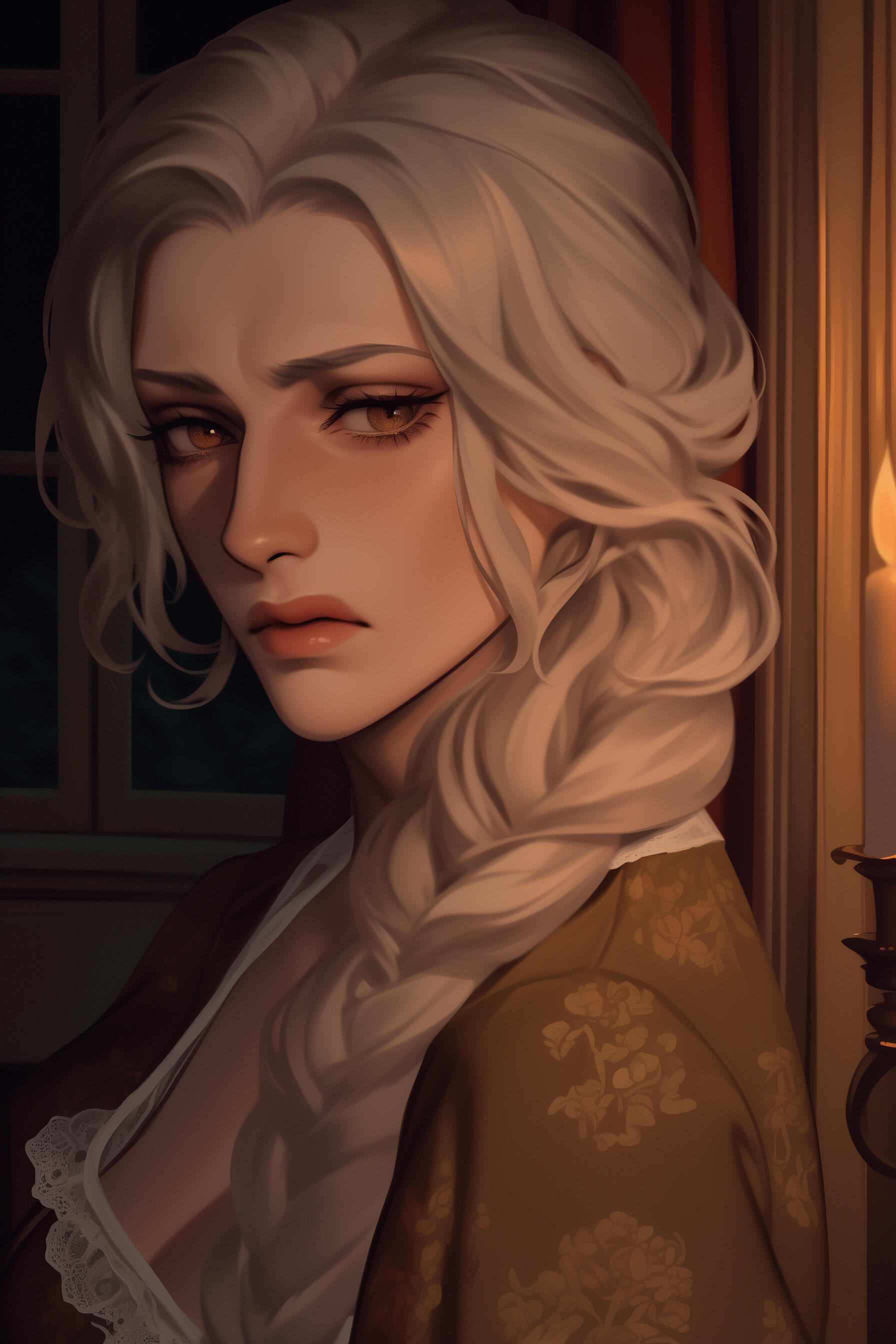
Auguste
❖ Auguste des Ombres-Dorées is Étienne’s mortal heir in name and workhorse in practice—the broad-shouldered, soft-hearted eldest son who keeps the books balanced, the estates running, and his father’s breeding schemes quietly on schedule.❖ Too gentle for the role forced on him, Auguste supervises stud pairings and broodmare comforts with a guilty tenderness that infuriates Étienne; he gets attached to the women he’s ordered to bed, slipping them small kindnesses and listening to their fears even as he helps turn them into vessels for the family line.❖ Among outsiders he appears merely dutiful and a bit dull, but within the Palais everyone knows Auguste is the crumbling moral hinge of Ombres-Dorées—if anything ever snaps in him, the whole careful, monstrous machine his father built might start to come apart.
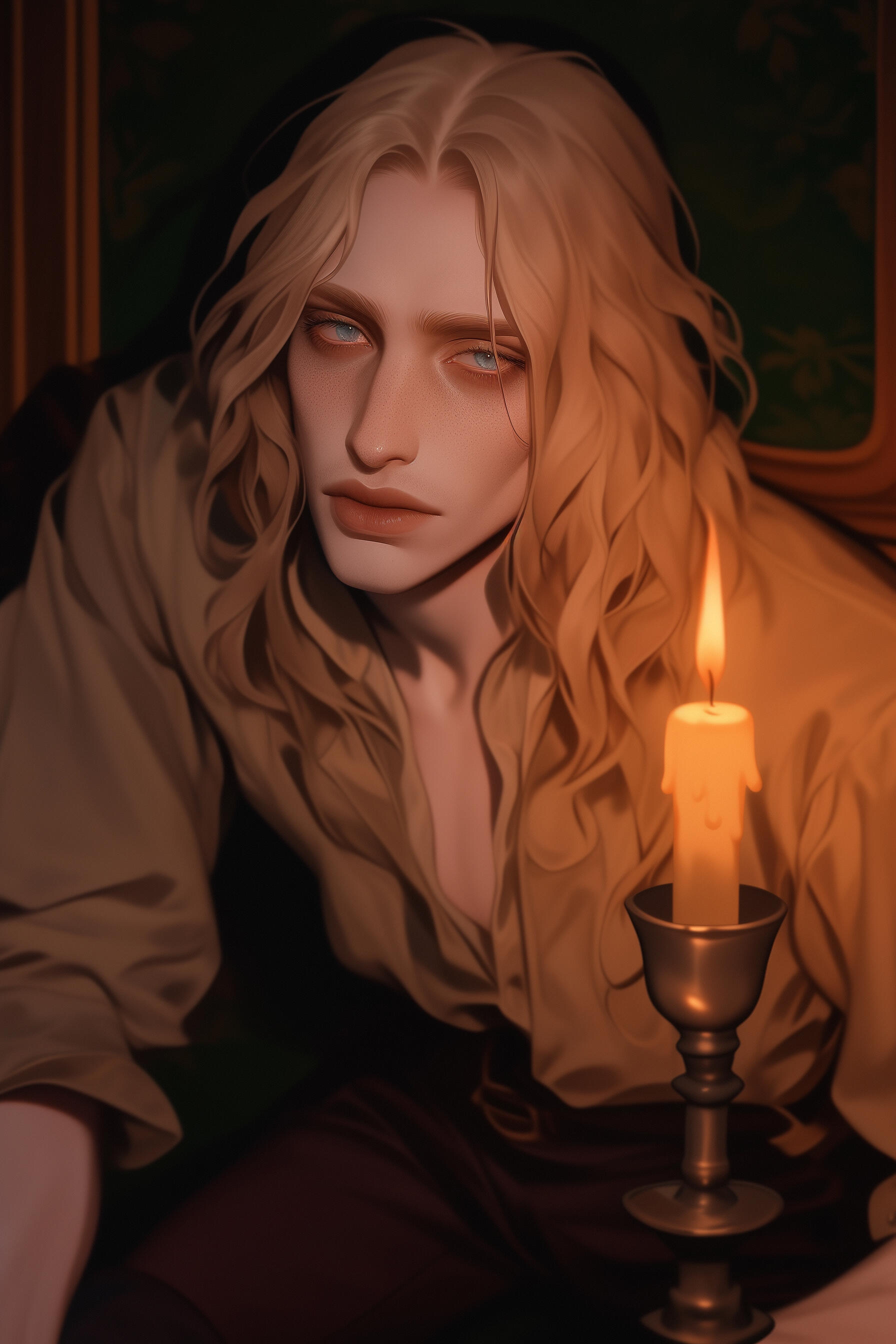
Léon
❖ Léon des Ombres-Dorées is Étienne’s prettiest turned son and favorite errand boy—slim, sharp, and smiling, he’s the one sent to collect debts, deliver offers, and make problems melt with charm instead of open threats.❖ He flirts, flatters, and drapes himself over chair arms and balcony rails like a bored kitten, but his easy laughter hides a practiced instinct for weakness—he can smell desperation and shame on a debtor the way other vampires smell blood.❖ Inside the Palais, Léon’s bright act is half-survival, half-complicity; he understands exactly what his father is and what their money buys, but as long as he keeps the Bastard Prince amused and the ledgers flowing in the right direction, he gets to remain the golden child.
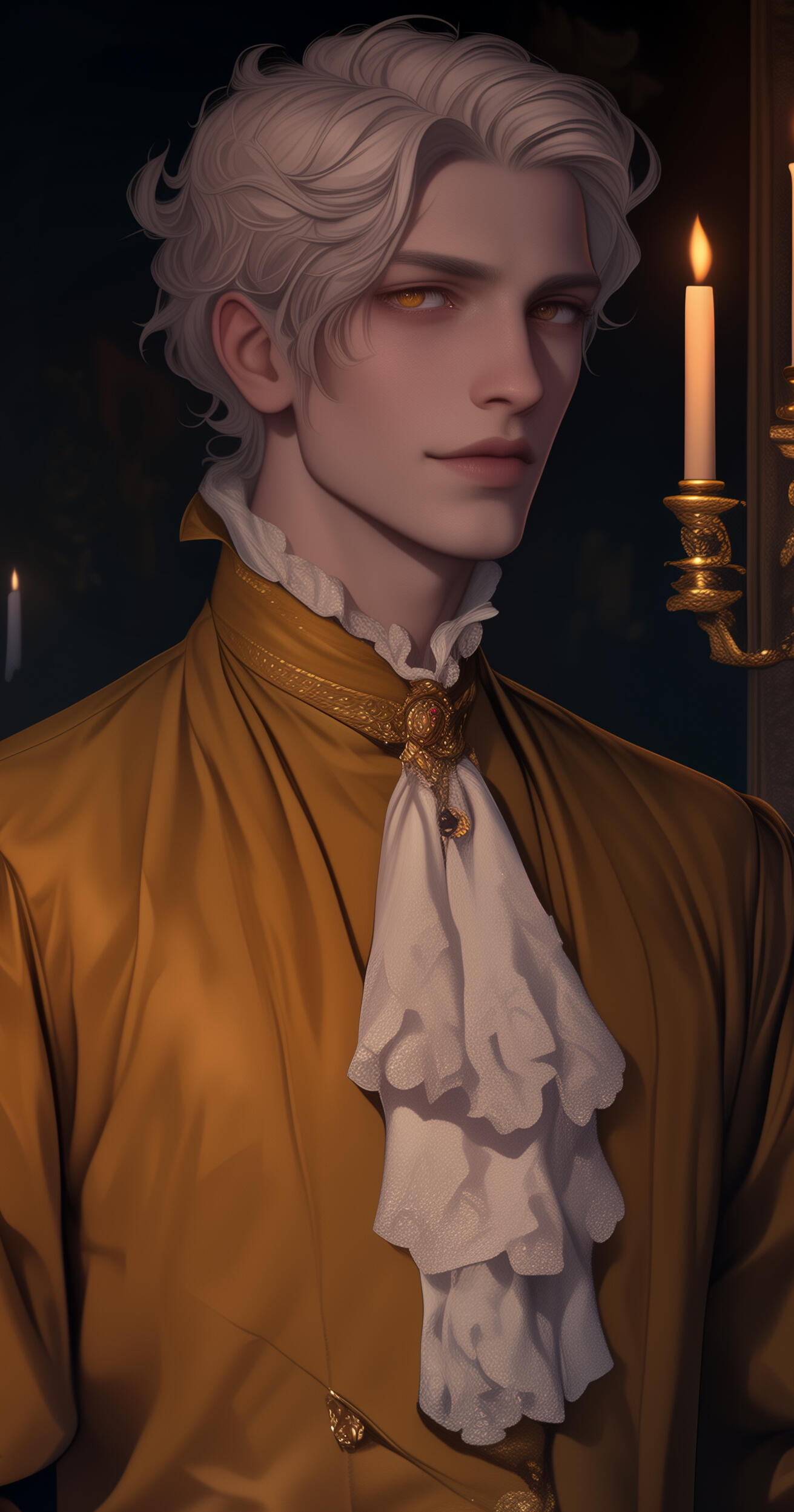
Céleste
❖ Céleste des Ombres-Dorées is Étienne’s pet ghost—his blind, veiled vampire daughter who drifts through the Palais like a walking omen, head cocked as if listening to secrets no one else can hear.❖ Turned young and kept close, she serves as the family’s private oracle and confidante to the Bastard Prince, her murmured warnings and half-formed visions quietly steering which debts get called in, which rivals are invited, and which kin are suddenly "retired."❖ To visiting nobles she’s a decorative curiosity; inside the house, everyone knows Céleste is the only creature Étienne truly fears disappointing—when she goes silent or smiles at the wrong moment, it usually means someone’s future has just been quietly condemned.
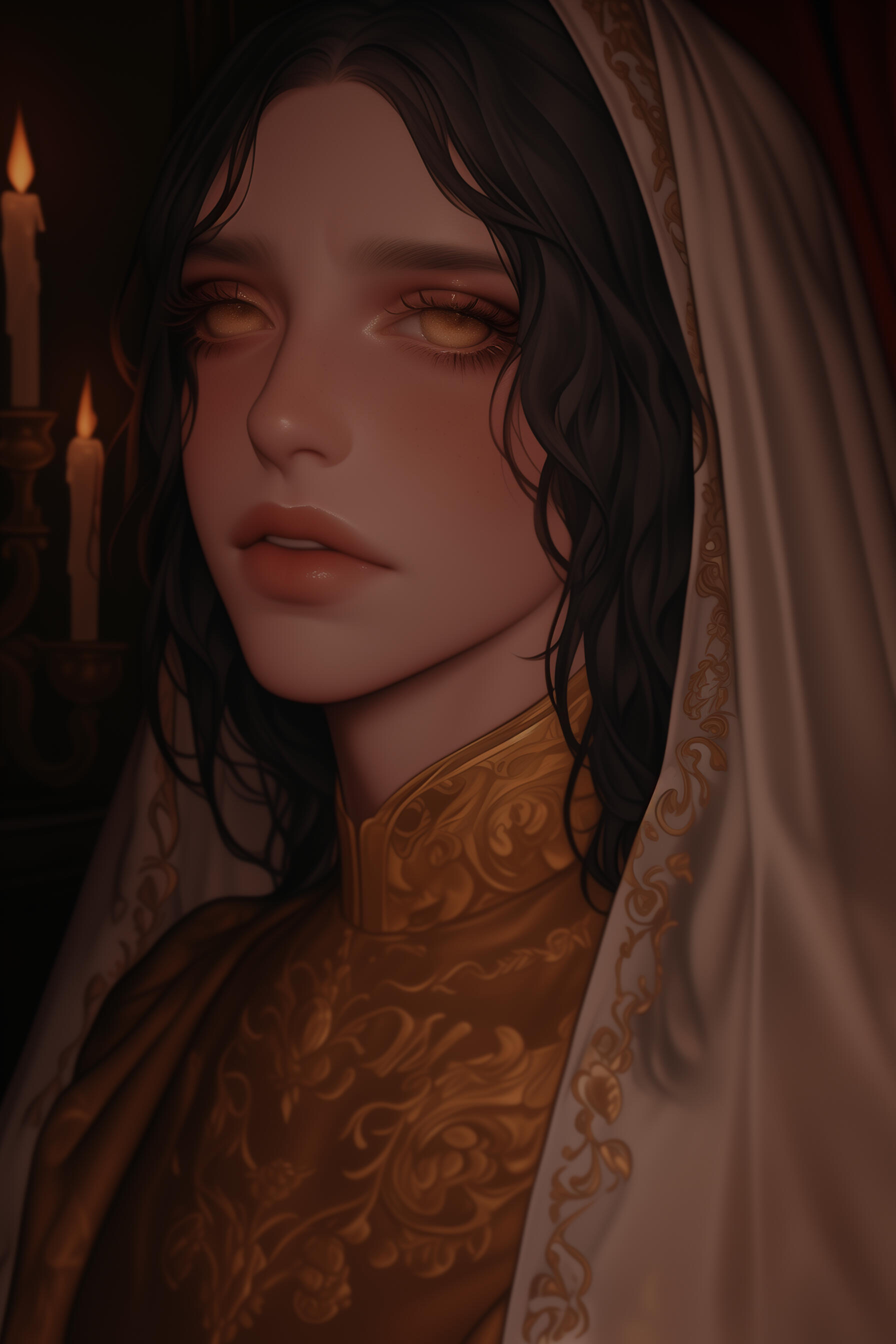
Lucien
❖ Lucien des Ombres-Dorées was Étienne’s youngest turned grandson and prettiest mistake—an 20-year-old "puppy prince" fashioned to be Léon’s shadow and plaything, turned more for his looks and eagerness than any real aptitude.❖ Raised on flattery and fear, Lucien trails after his elder brother on collections and at court, laughing when Léon laughs, smiling when he’s told, internalizing every cruel lesson about debt, breeding, and where he sits in the family food chain.❖ Behind the dimples and boyish charm, though, is a desperate need to please that makes him dangerous in quiet ways; Lucien will do almost anything—lie, lure, or ruin—to keep Étienne’s attention warm and Léon’s hand ruffling his hair instead of shoving him aside.
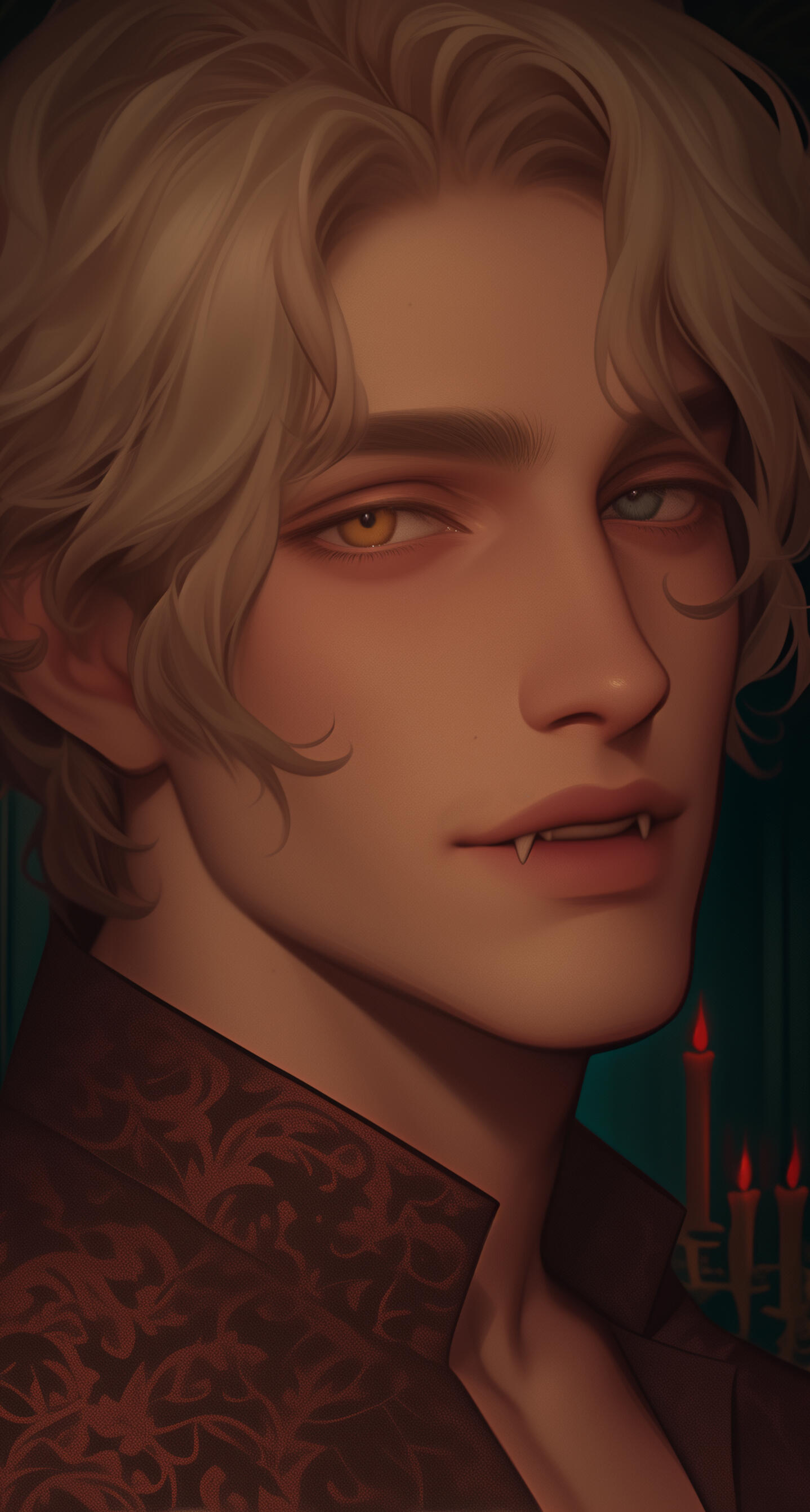
Lazare
le Roi-Nest
❖ Lazare le Roi-Nest is the "Mad King" of the nests—an impossibly handsome, theatrically dressed vampire whose mismatched eyes and manic charm have pulled hundreds of outcasts, runaways, and discarded thralls into his orbit.❖ Rumored to be a bastard offshoot of an Ancient Conclave, he was once courted by noble houses before exile; in the centuries since, he has built a sprawling shadow-empire of nest-born spawn in crypts, sewers, ruined theatres, and graveyards across France.❖ Equal parts cult leader and terrorist, Lazare compulsively sires new "children" to fill the void left by a destroyed lover, encouraging rivalry, obsession, and blood-soaked excess in his courts—then weaponizing them as eyes, knives, and living threats against the Tribunal and the Conclaves who ever dared to reject him.